Document PDFs
LinkedIn carousels
Carousel 1 — How we'd build your SaaS in 30 days
8 slides · 1200 × 1500Post caption: Most agencies quote 6 months and €80k for an MVP. Here is how we ship working SaaS in 30 days instead. Link in comments ↓

Stacklane playbook
How we'd build your SaaS in 30 days
60-minute kickoff
We agree the first 2-week roadmap on a call. No 40-page spec, no discovery retainer.


Days 1-7
The spine
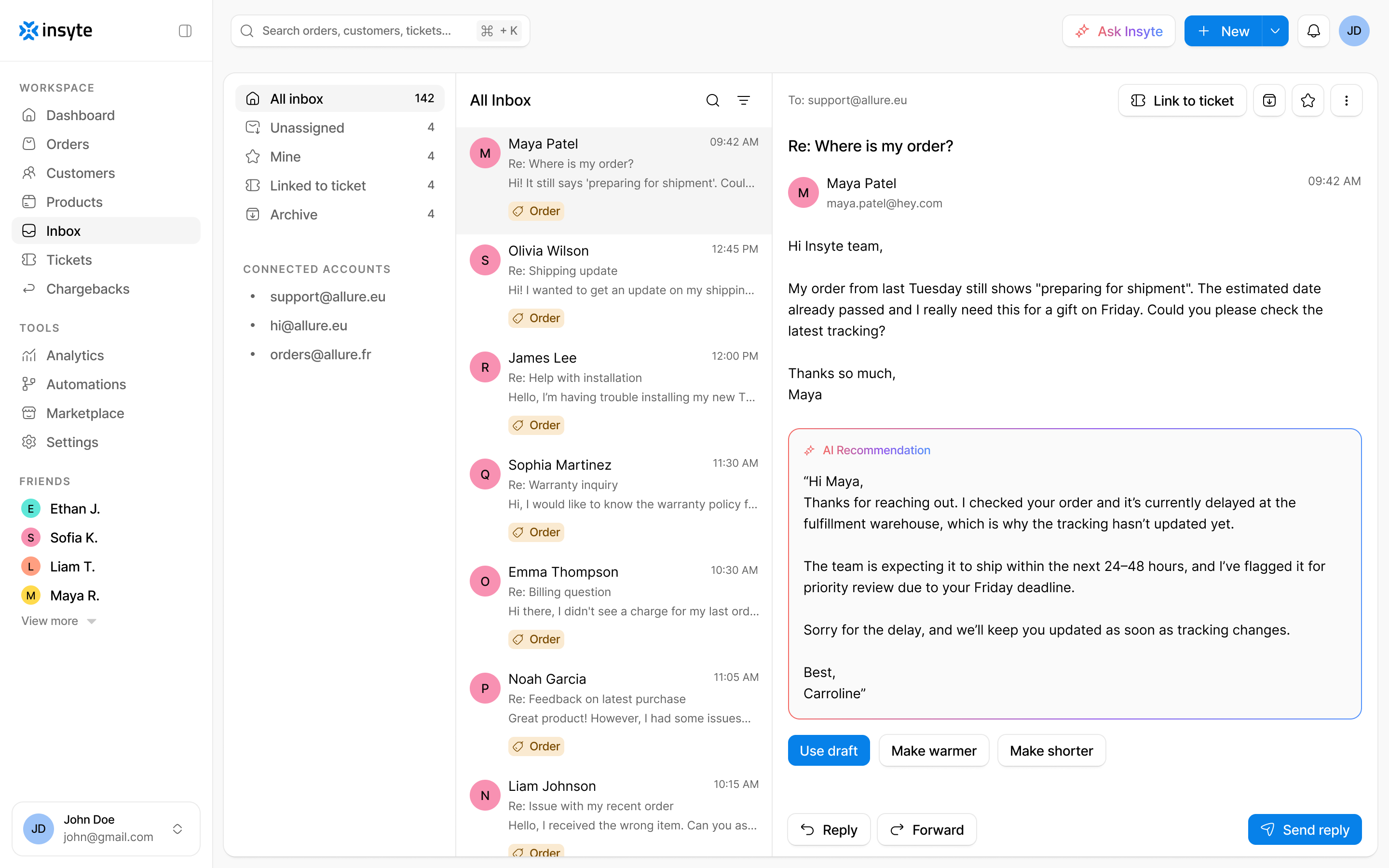
Auth, database, multi-tenant workspaces. The plumbing every SaaS needs, built first.
Week 2
The core screen
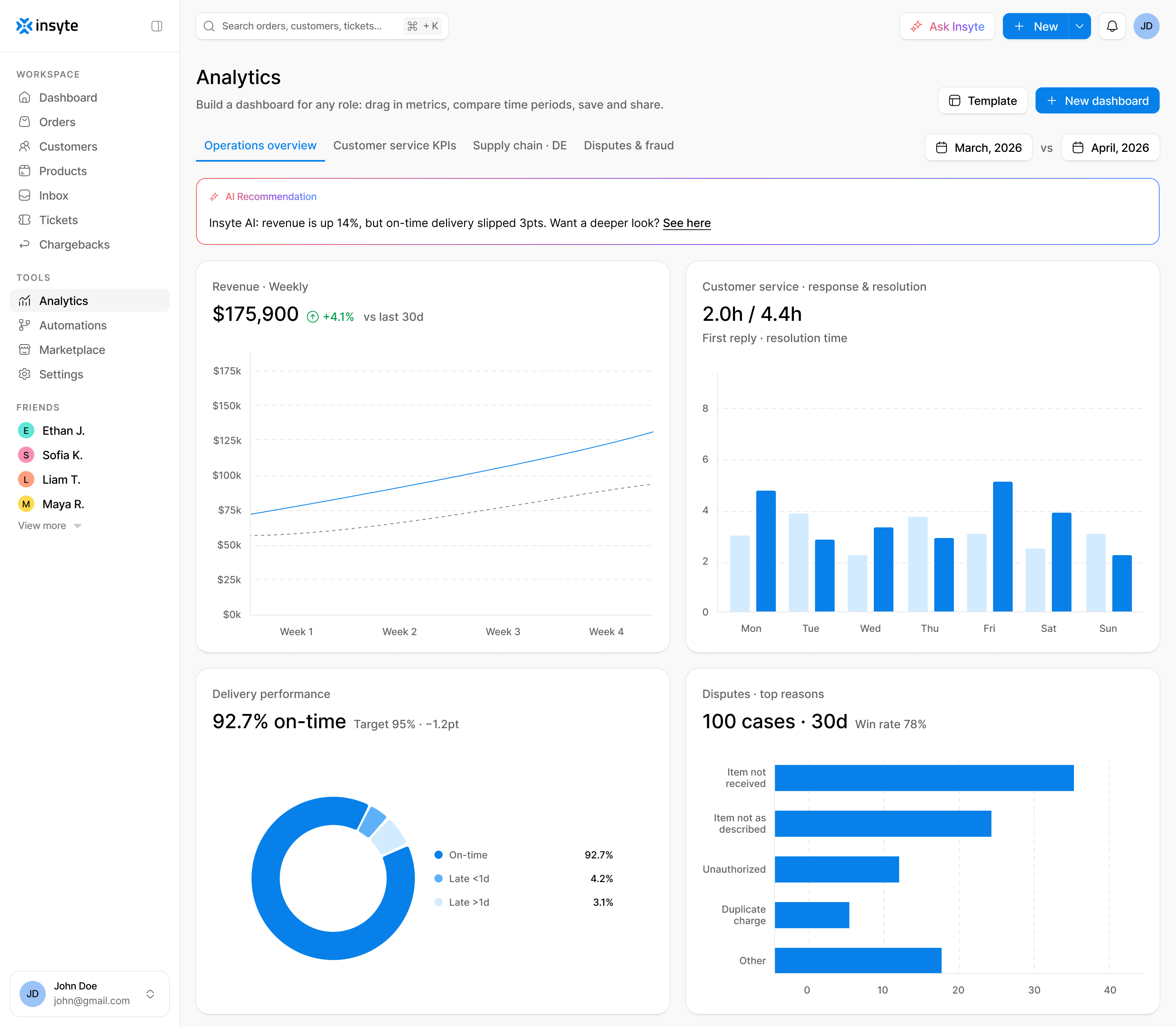
The one screen your product lives or dies on. Built so it feels finished, not stubbed.
Week 3
The integrations
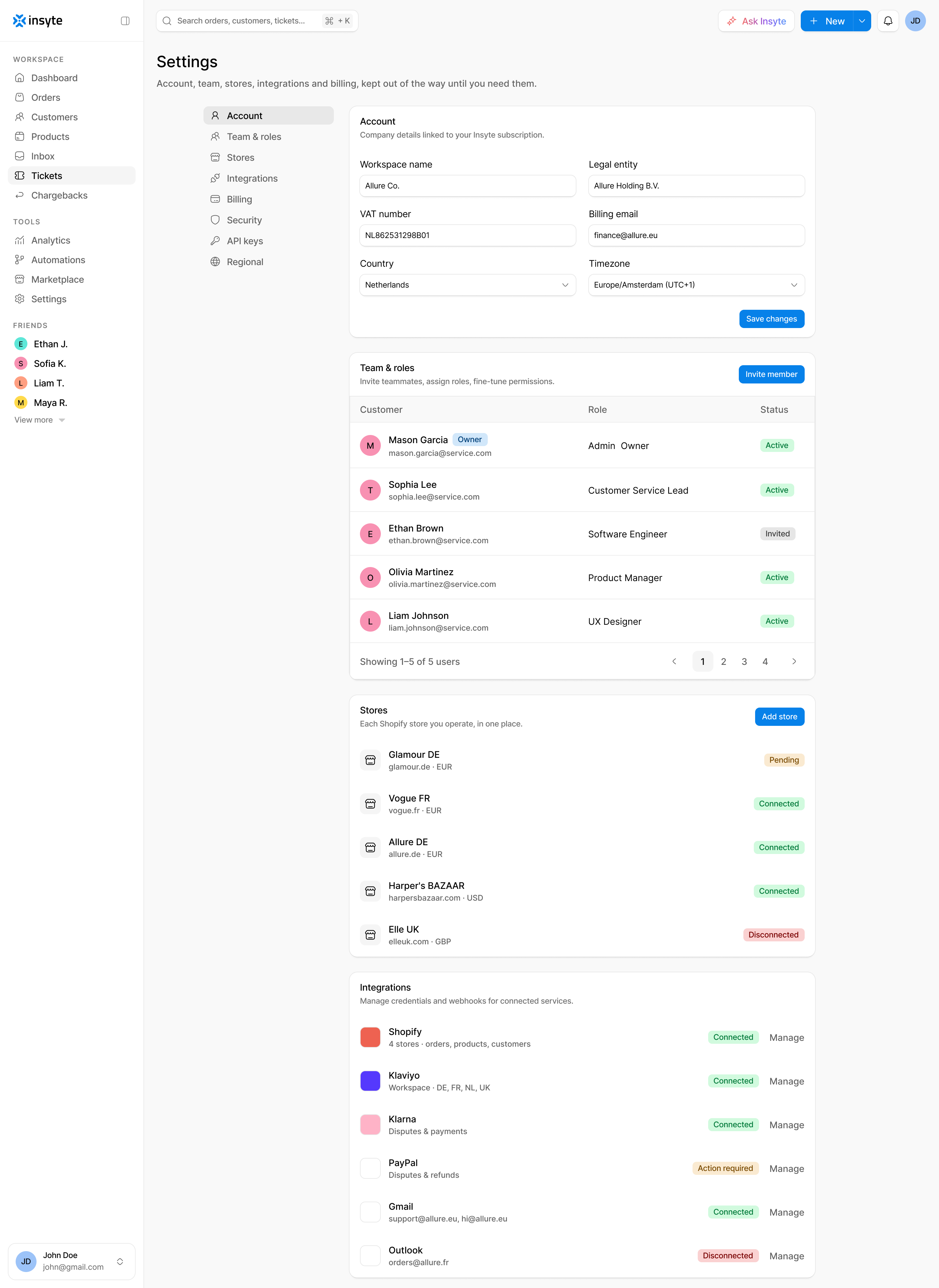
We wired Insyte into 9 services: Shopify, Klaviyo, PayPal, Gmail. Realtime, no third-party vendor.
Week 4
The polish
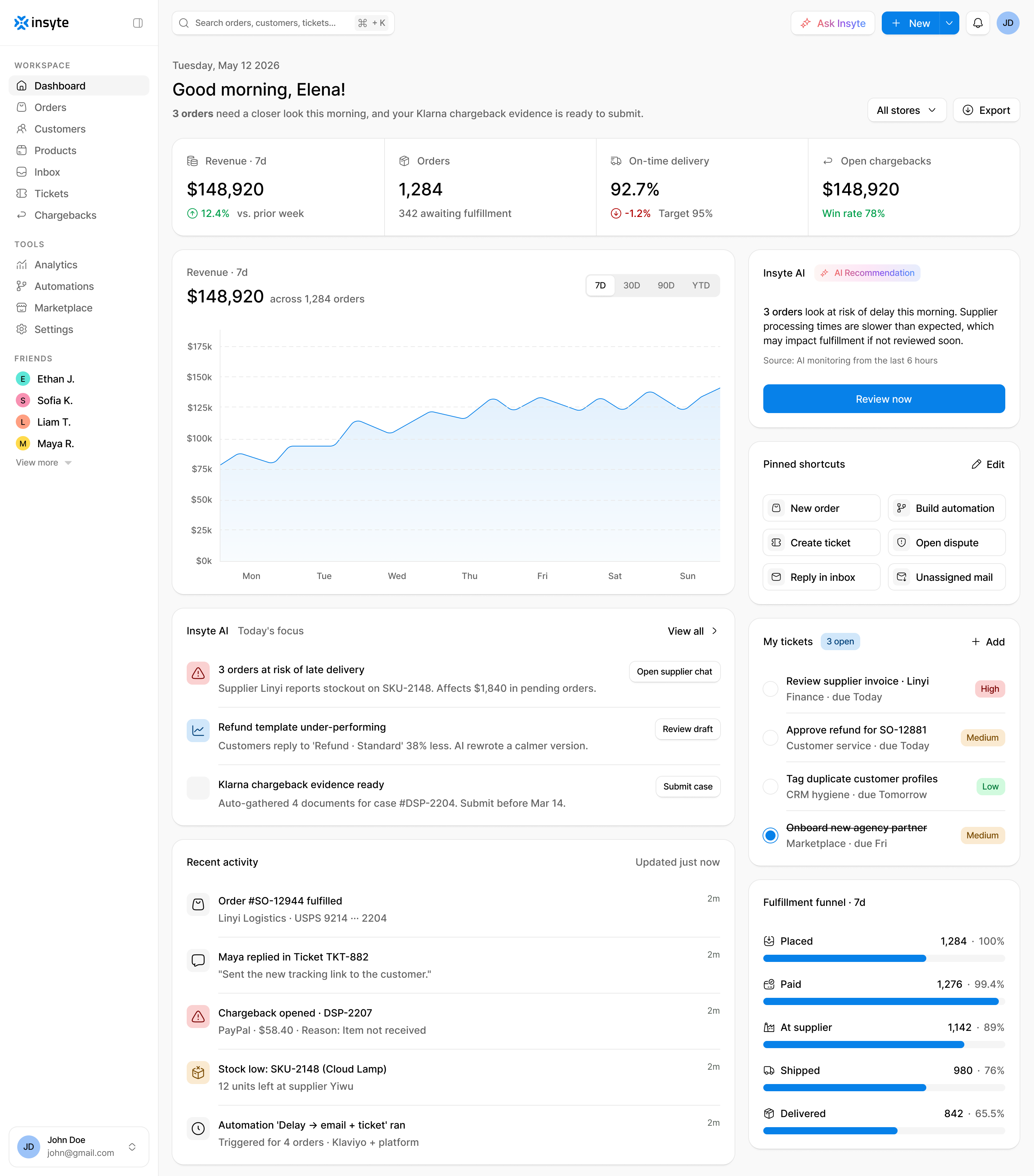
AI ticketing, chargeback handling, the details that make it feel like one product.
And what you do not get
No timesheets.
A 4-month roadmap that drifts by month two is the old way. You get working software in 30 days instead.
30 days to real software.
We did this for Insyte. We can do it for you.
Book a 30-min call → cal.com/stacklaneCarousel 3 — One product, three buyers (Moneyline teardown)
8 slides · 1200 × 1500Post caption: Most document-AI tools serve developers OR operators OR agents. We built Moneyline to serve all three on one engine. The architecture teardown ↓ Link in comments.
Teardown
One product, three buyers.
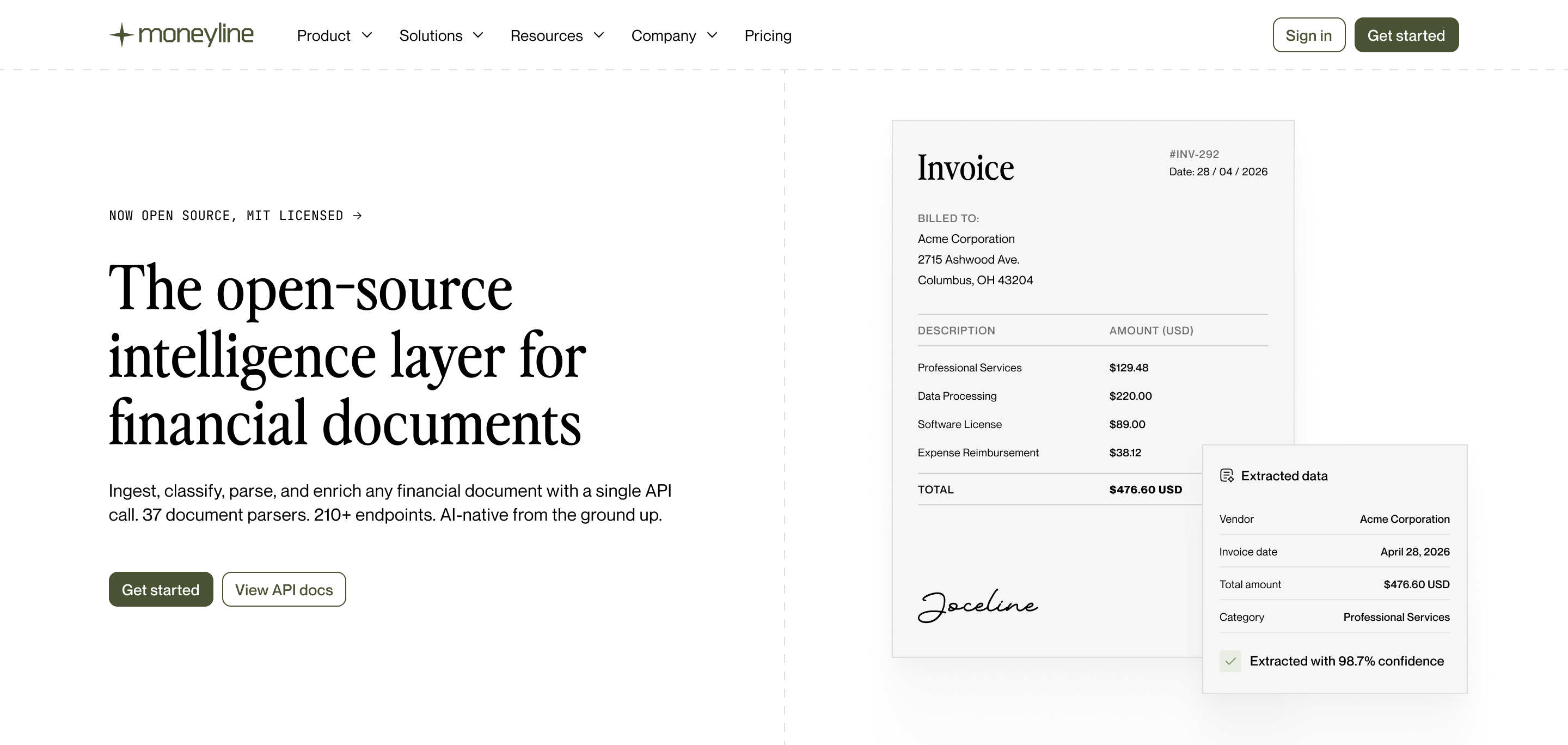
The problem
A developer wants an API. An operator wants no-code. An agent wants function-calling.
Most tools pick one and lose the other two.
Buyer 1: the developer
A Stripe-quality API
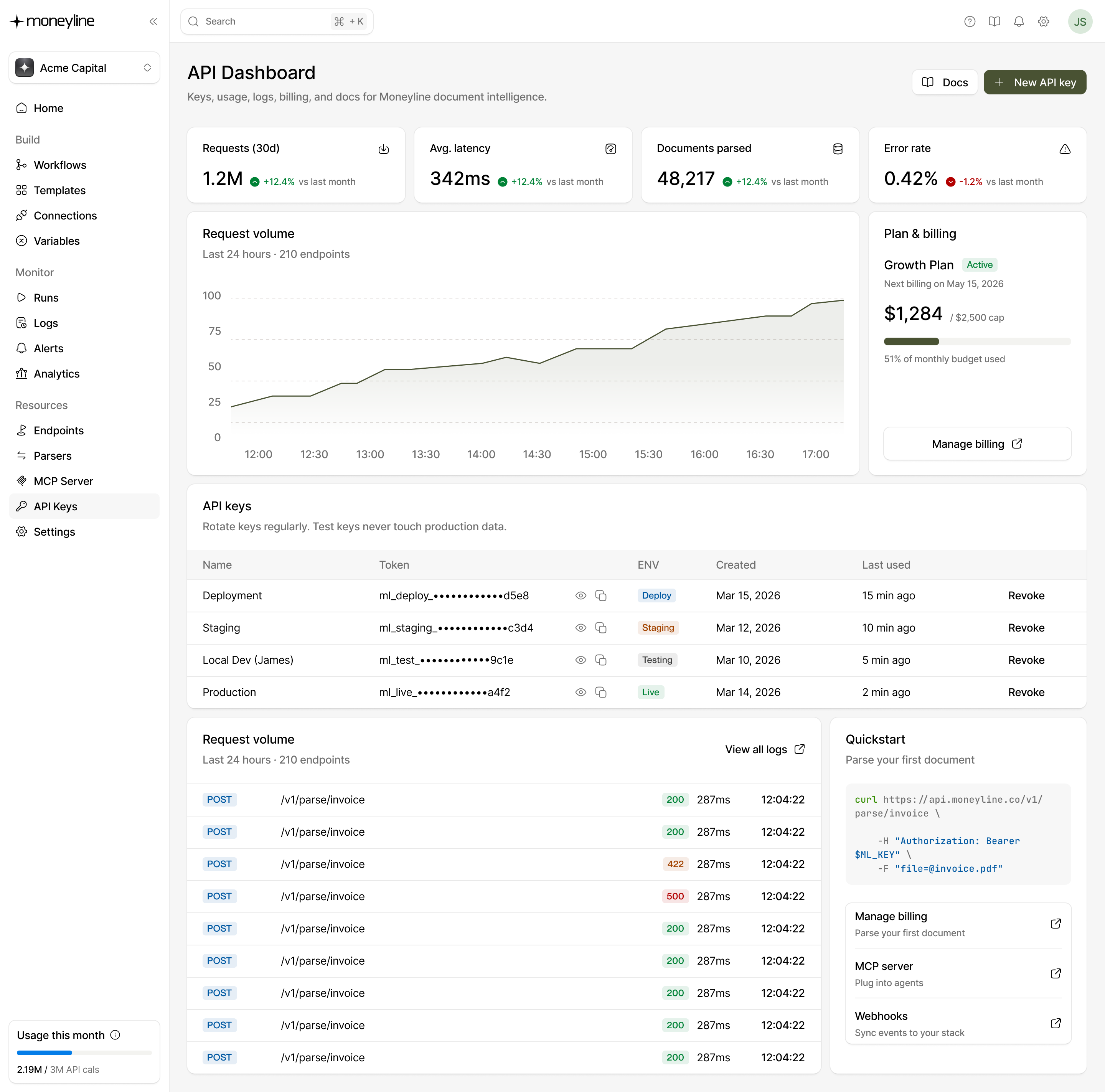
180+ endpoints, typed SDKs, a CLI. A dashboard with multi-environment keys and usage billing.
Buyer 2: the operator
A visual workflow builder
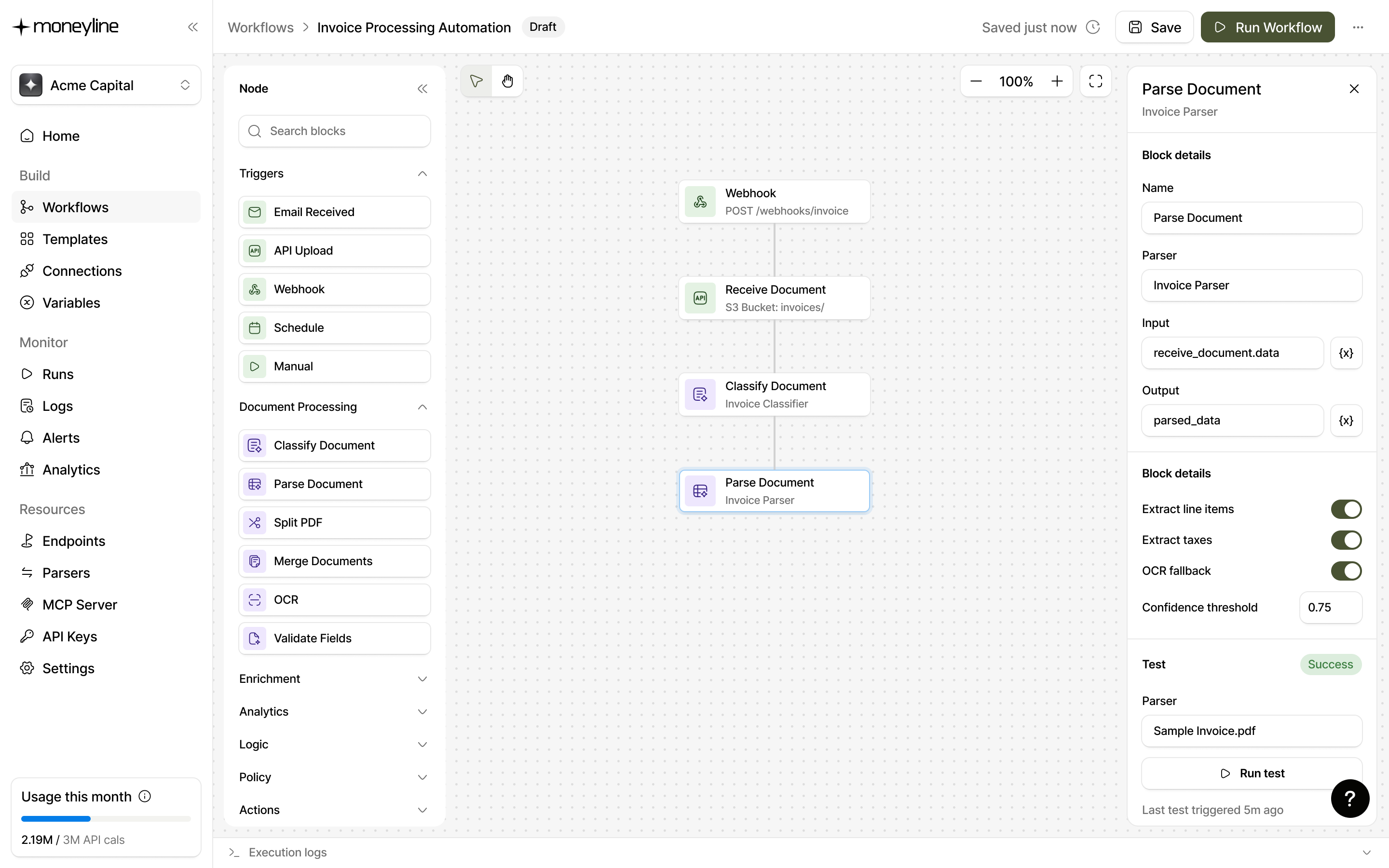
20+ node types. Wire a document pipeline on a Tuesday afternoon, no code.
Buyer 3: the AI agent
An MCP server for every node.
The agent calls the same engine as the API and the dashboard. One set of primitives, three doors.
The engine
Every stage is its own API endpoint.
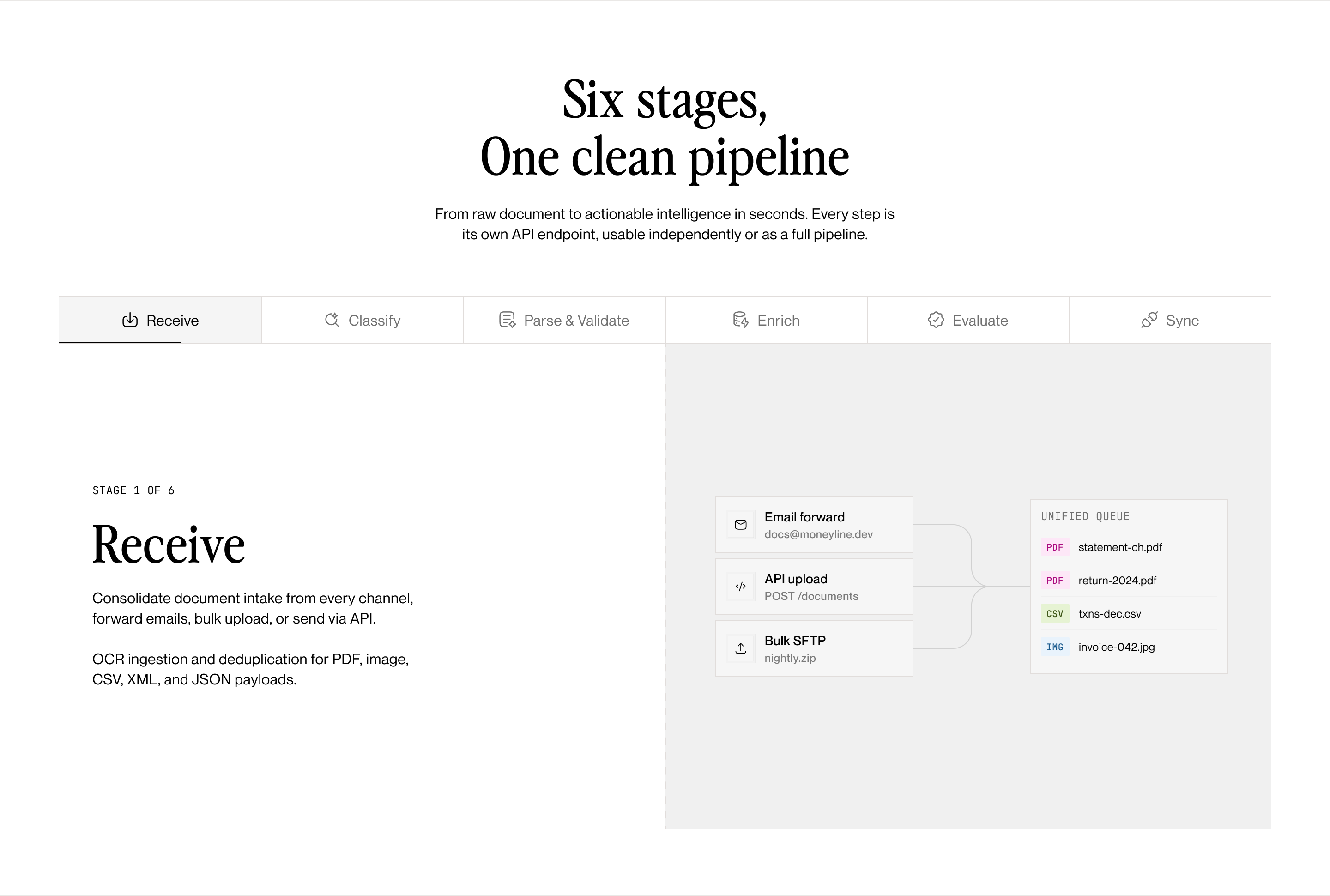
Ingest, Classify, Parse, Enrich, Evaluate, Sync. Call one, or chain all six. Every surface hits the same primitives.
The lesson
Build the engine once. Expose it three ways.
The API, the dashboard, and the MCP tool are three faces of one thing.
Building something with this shape?
We can build yours too.
Book a 30-min call → cal.com/stacklaneCarousel 4 — One team, three platforms, zero drift (SpotMe)
7 slides · 1200 × 1500Post caption: Most teams building native + web end up maintaining two codebases that slowly drift apart. Here is how we ship SpotMe to iOS, Android, and web from one backend. Link in comments ↓
Case study
Native iOS. Native Android. Web. One team.
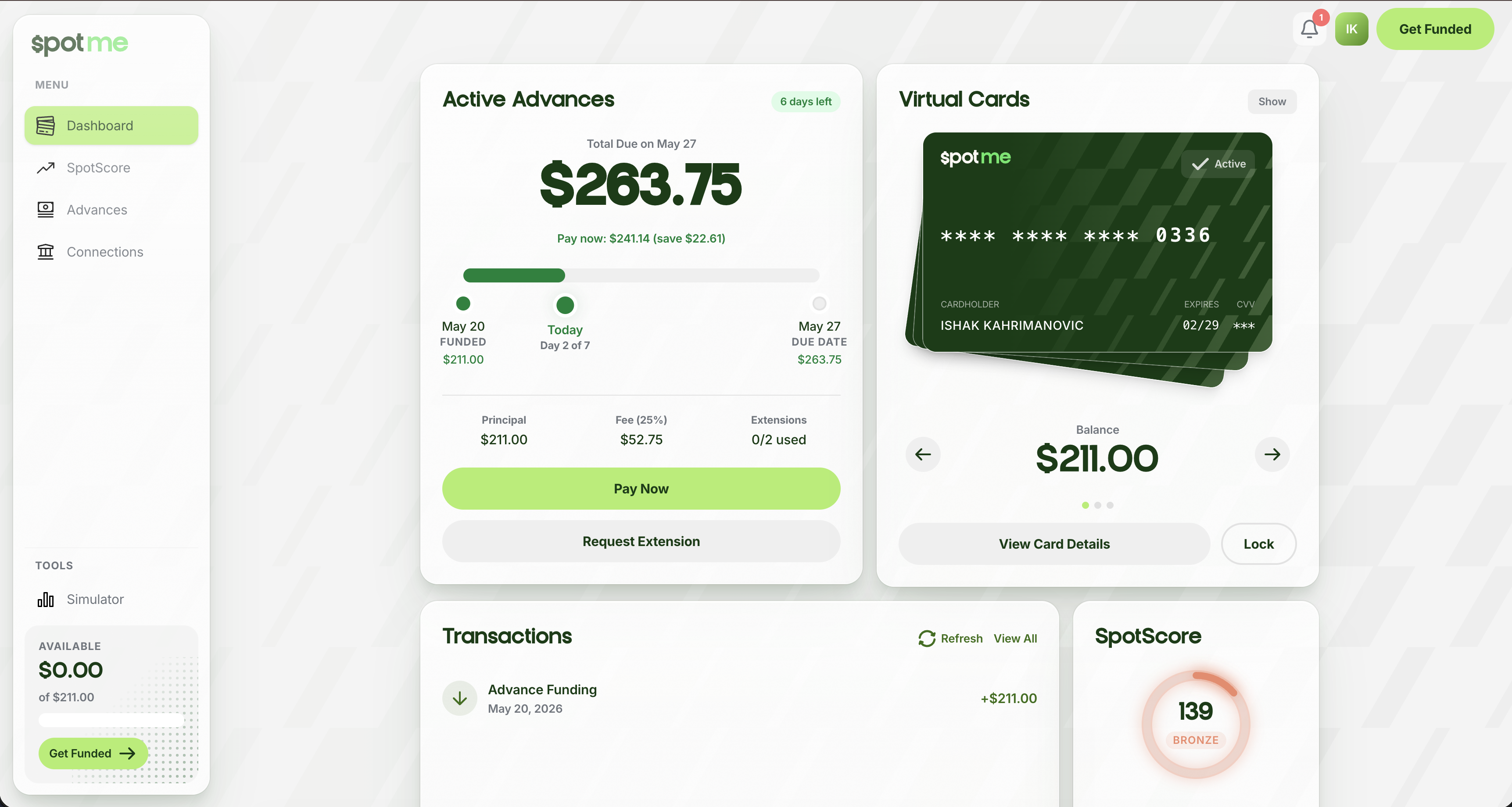
The trap
Parallel native and web usually splits into two teams that drift apart in a quarter.
Two backends, two type systems, two release calendars.
The fix
One typed backend
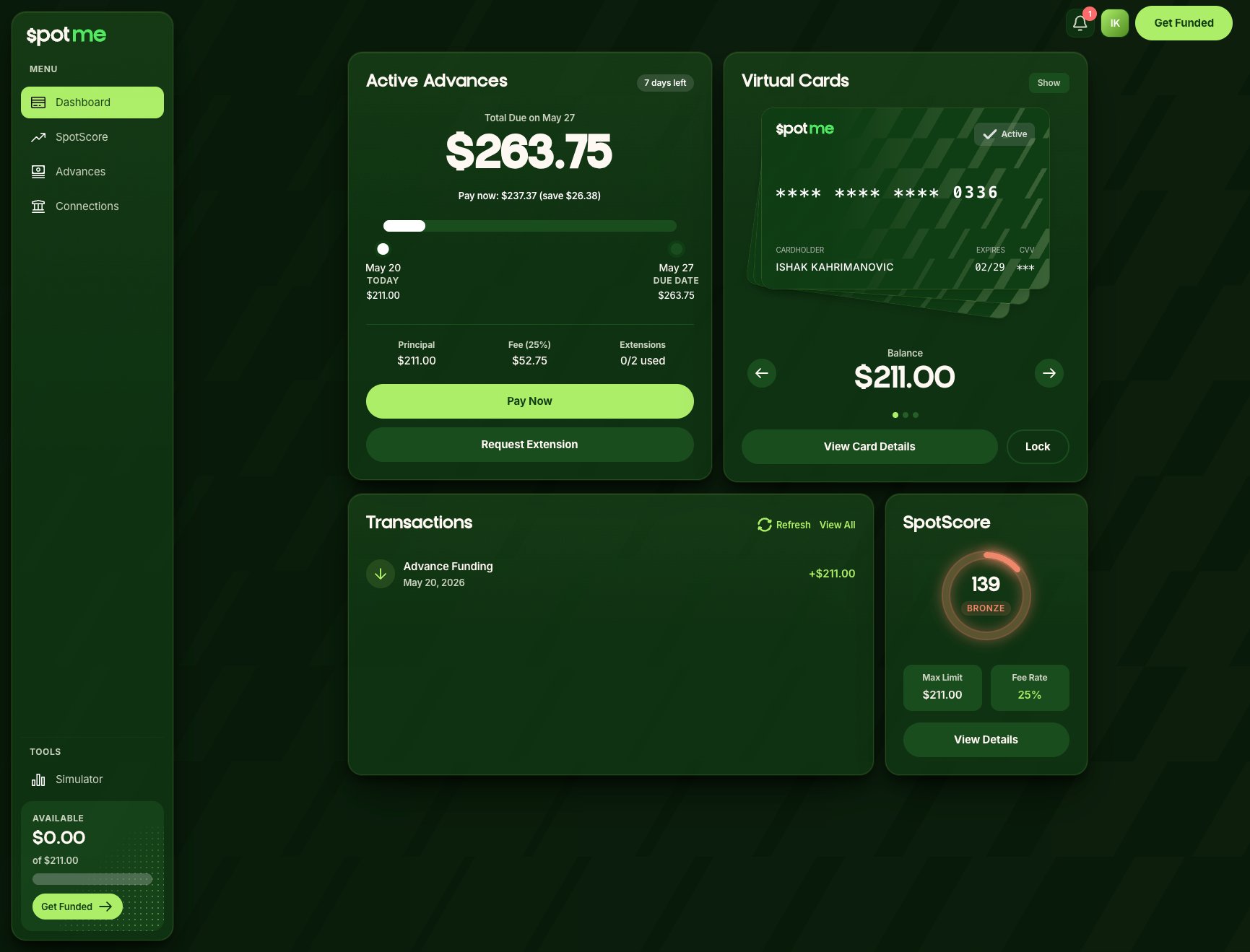
All three surfaces hit the same typed API. A feature lands once, every surface picks it up the same day.
The product
The apps are the experience
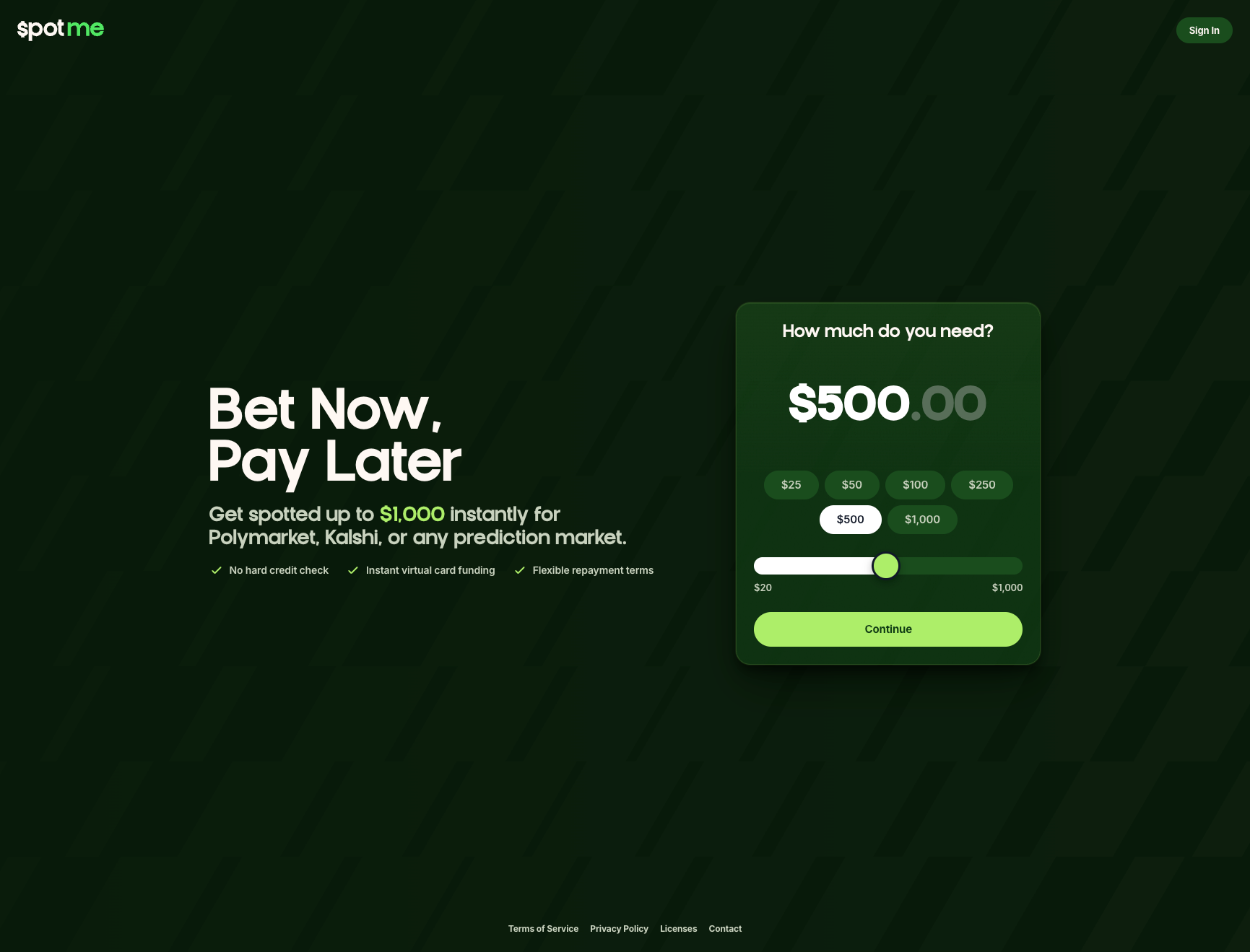
Native iOS and Android. Not a wrapper around a website.
The hard part
Instant on mobile, exact on the server
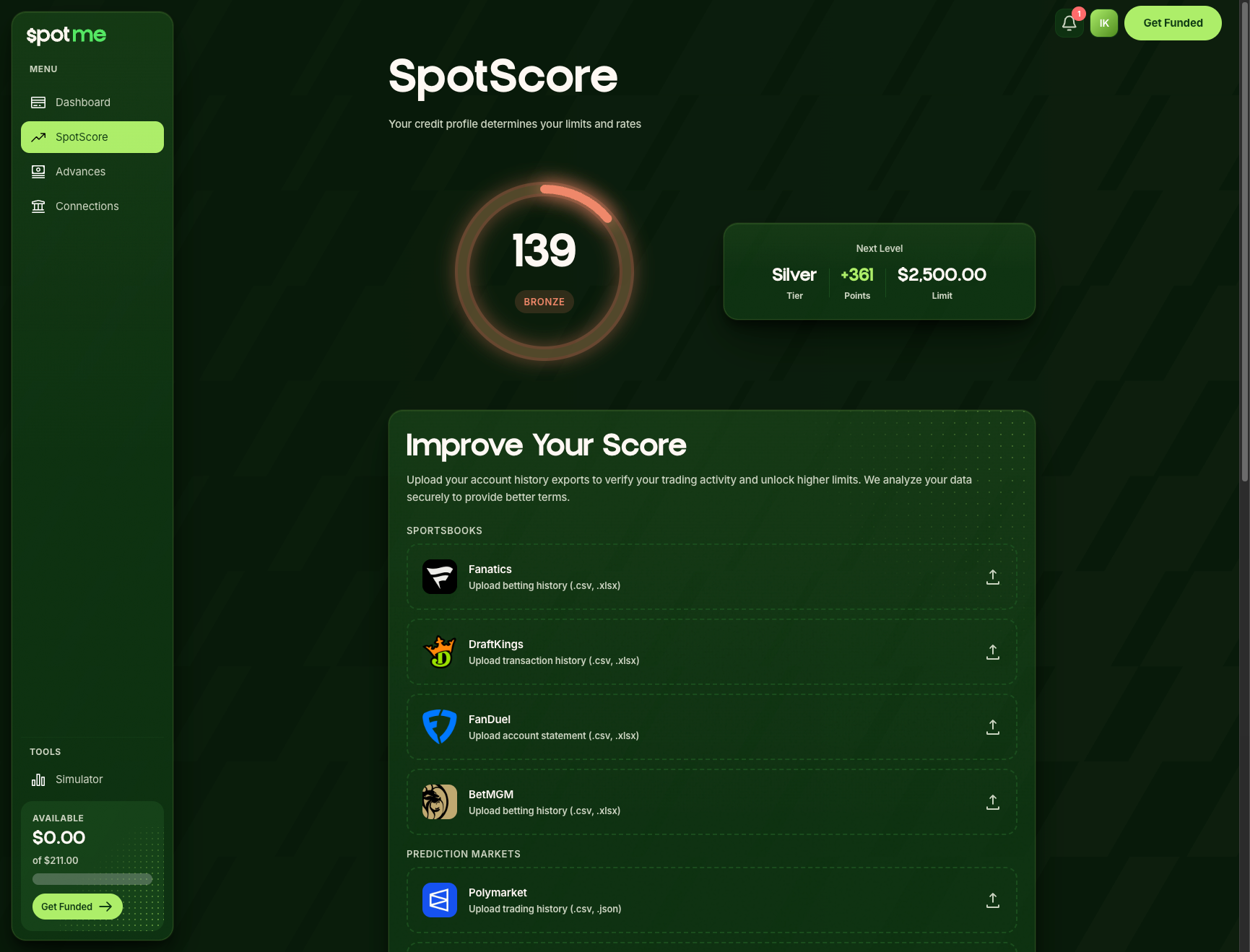
Optimistic on the client, exact on the backend, never out of sync.
Three surfaces, one source of truth
No API drift. No two-team handoff. No duplicate logic to maintain forever.
Need an app on every platform?
Carousel 5 — 5 things to check before you hire a dev agency
8 slides · 1200 × 1500Post caption: I run a dev agency. Here are the 5 questions I would ask before hiring one (including mine). Link in comments ↓
From someone who runs one
5 things to check before you hire a dev agency
Question 1
Do you own the code?
The repo, the accounts, the domain should be in your name from the first commit. Not after final payment.
Question 2
Who actually writes it?
Many agencies sell you a senior in the pitch and hand the work to a junior. Ask who is in the codebase every day.
Question 3
Can they show you working software?
Not Figma. Not a deck. A live product you can click. Ask for the URL.
Question 4
How fast is the first thing?
If the first demo is weeks away, the feedback loop is too slow. We ship first working code in 48 hours.
Question 5
What happens when you want to leave?
Lock-in is a red flag. You should be able to pause or walk with everything you paid for. We use 7 days' notice, no fee.
Before you sign
A good agency answers every one without flinching.
We answer all 5 the same way: yes, you.
Carousel 6 — Real-time done right (Winfold)
6 slides · 1200 × 1500Post caption: When bid latency is literally the product, 'monolith first, decompose later' does not work. Here is how we built Winfold real-time from day one. Link in comments ↓
Case study
A marketplace where milliseconds are the product.
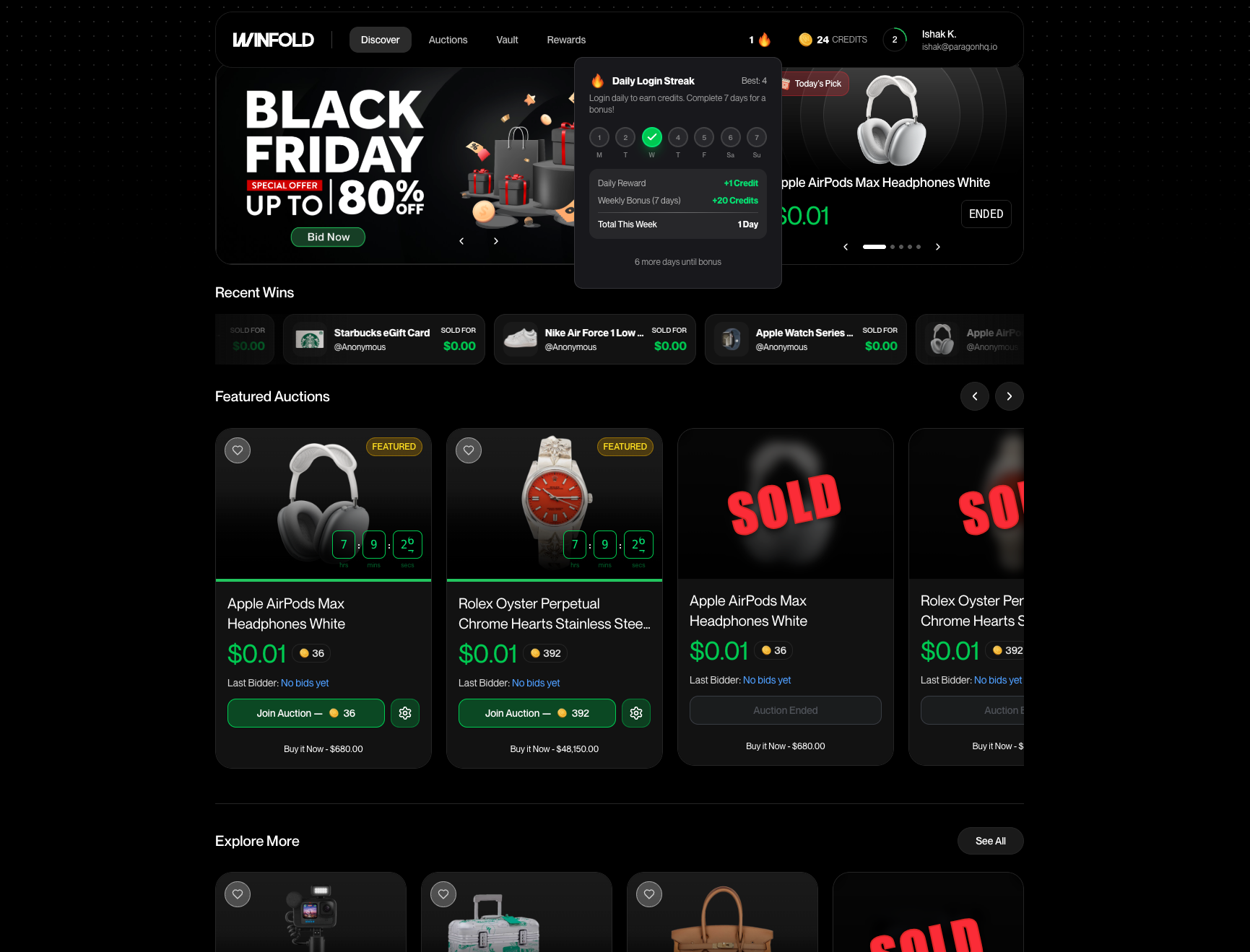
The constraint
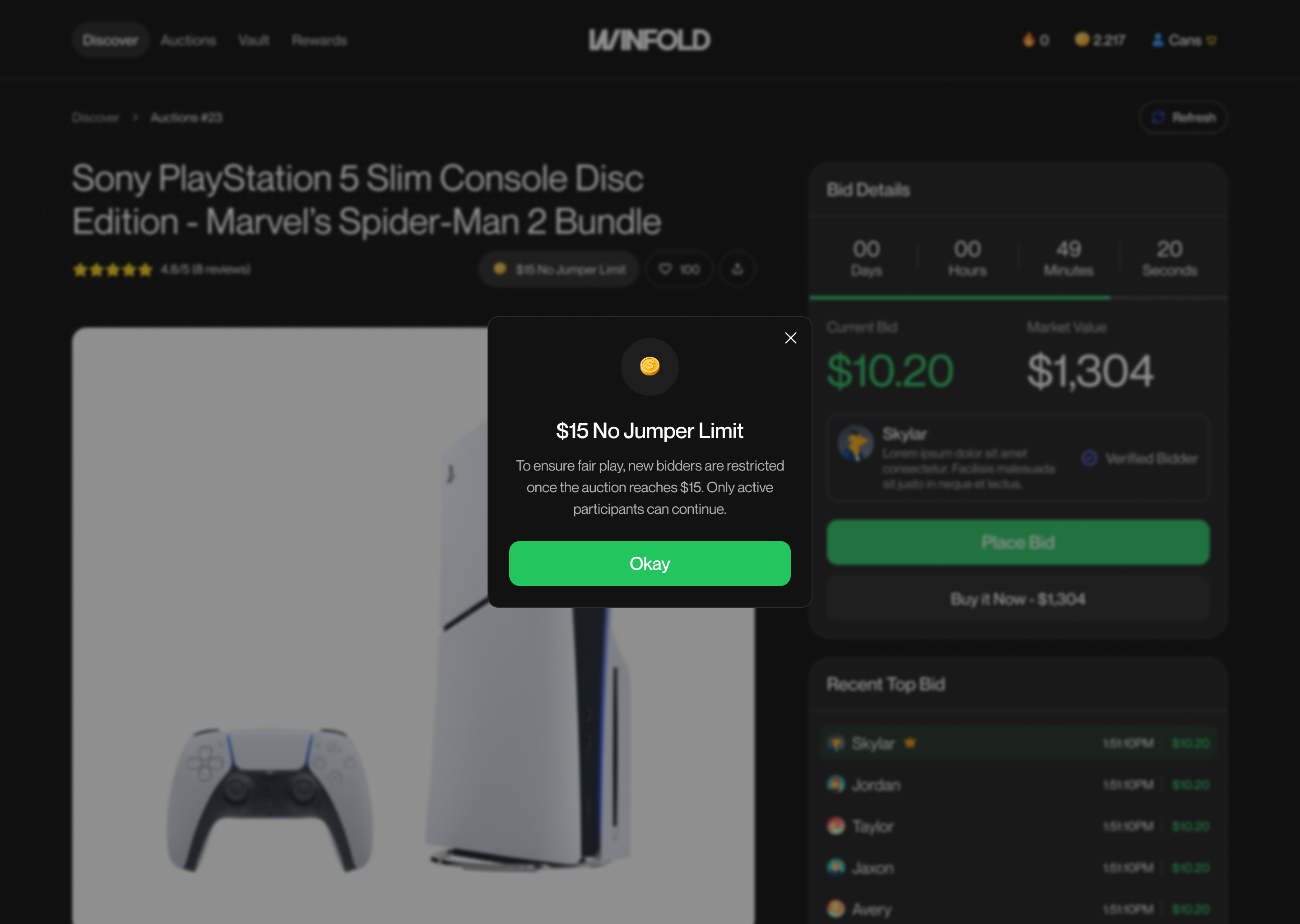
Bid latency is the product.
The credit balance is the trust contract. Both have to be exact, both have to be instant.
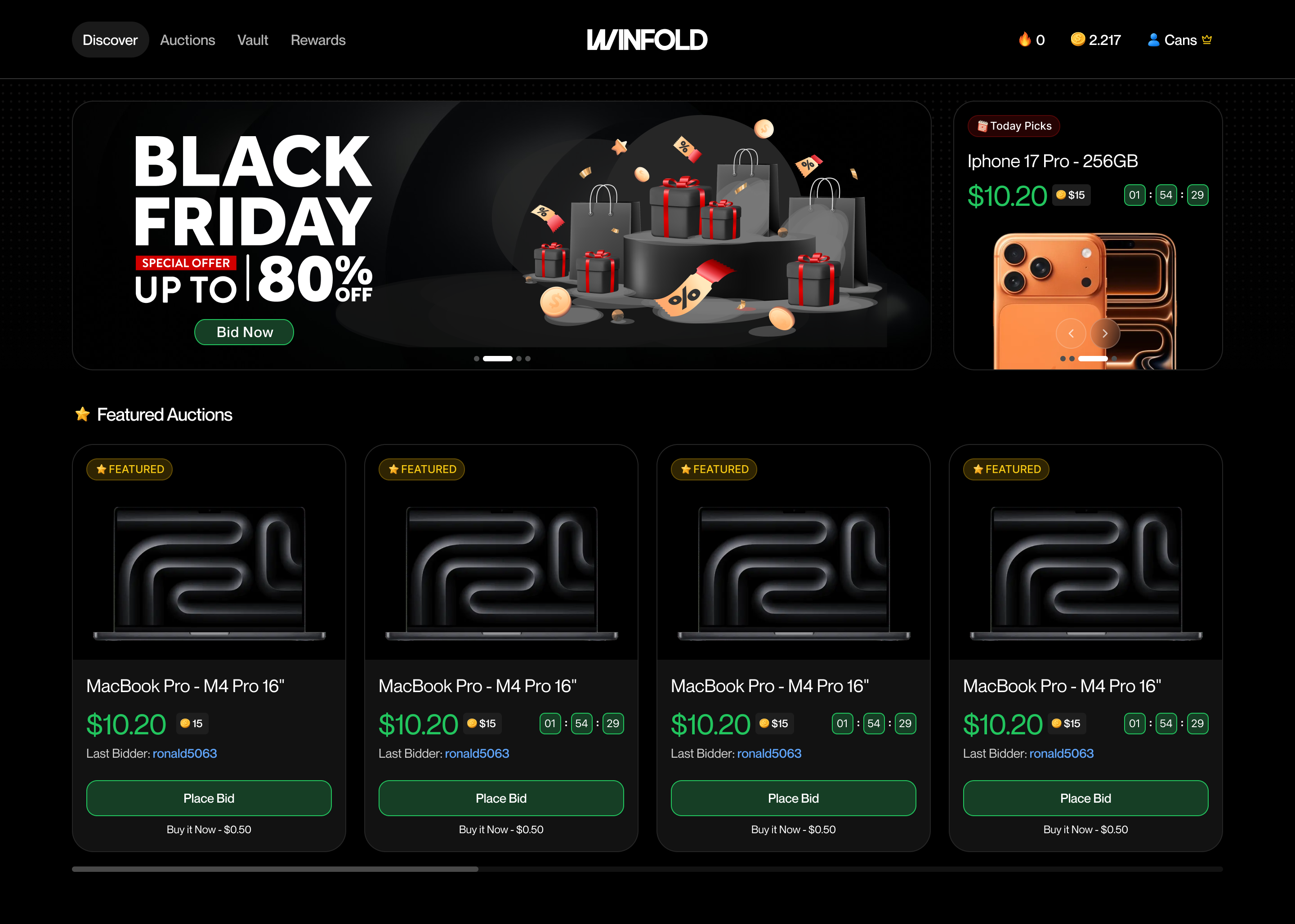
The bid surface
Every auction, live to the second
Countdown, current bid, recent top bids. Auctions, credits, and payments each scale on their own.
The engine
Every client in sync, live.
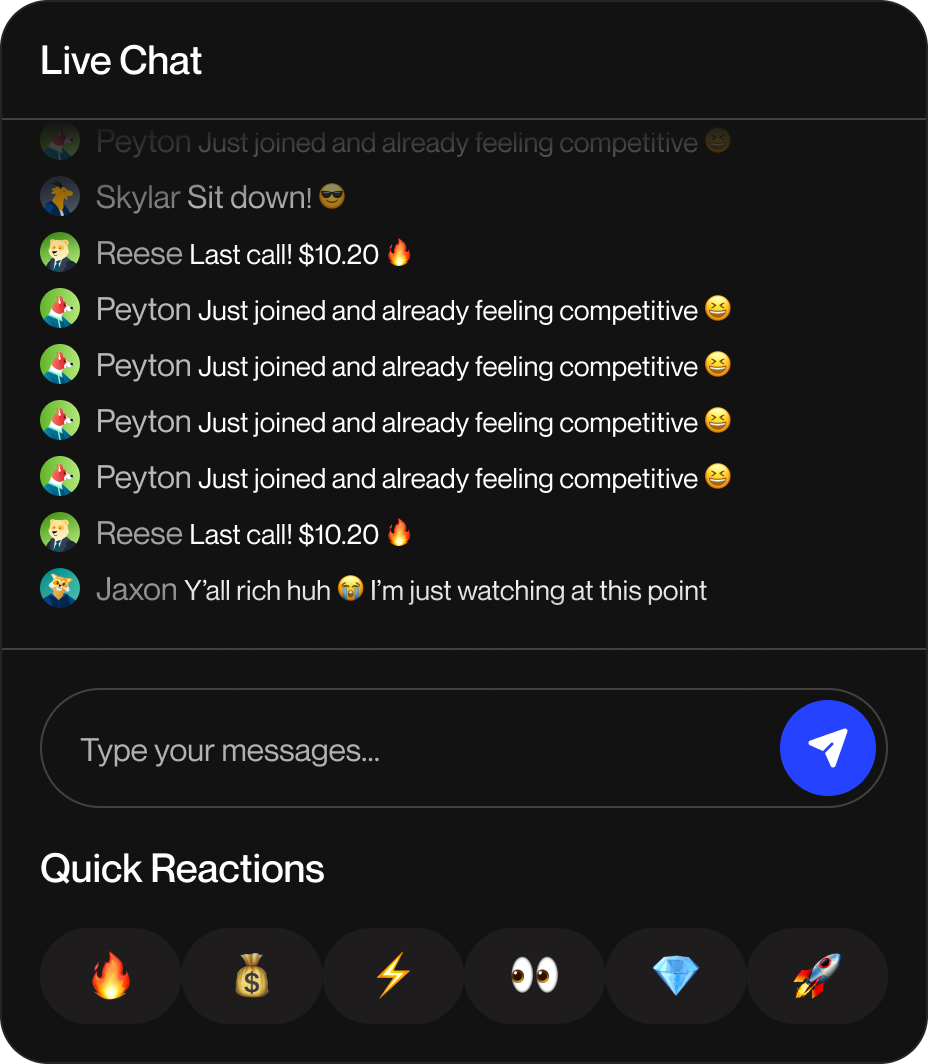
One WebSocket gateway fans bids and chat to hundreds of bidders at once. One shared truth, no lag.
The result
The user sees one marketplace
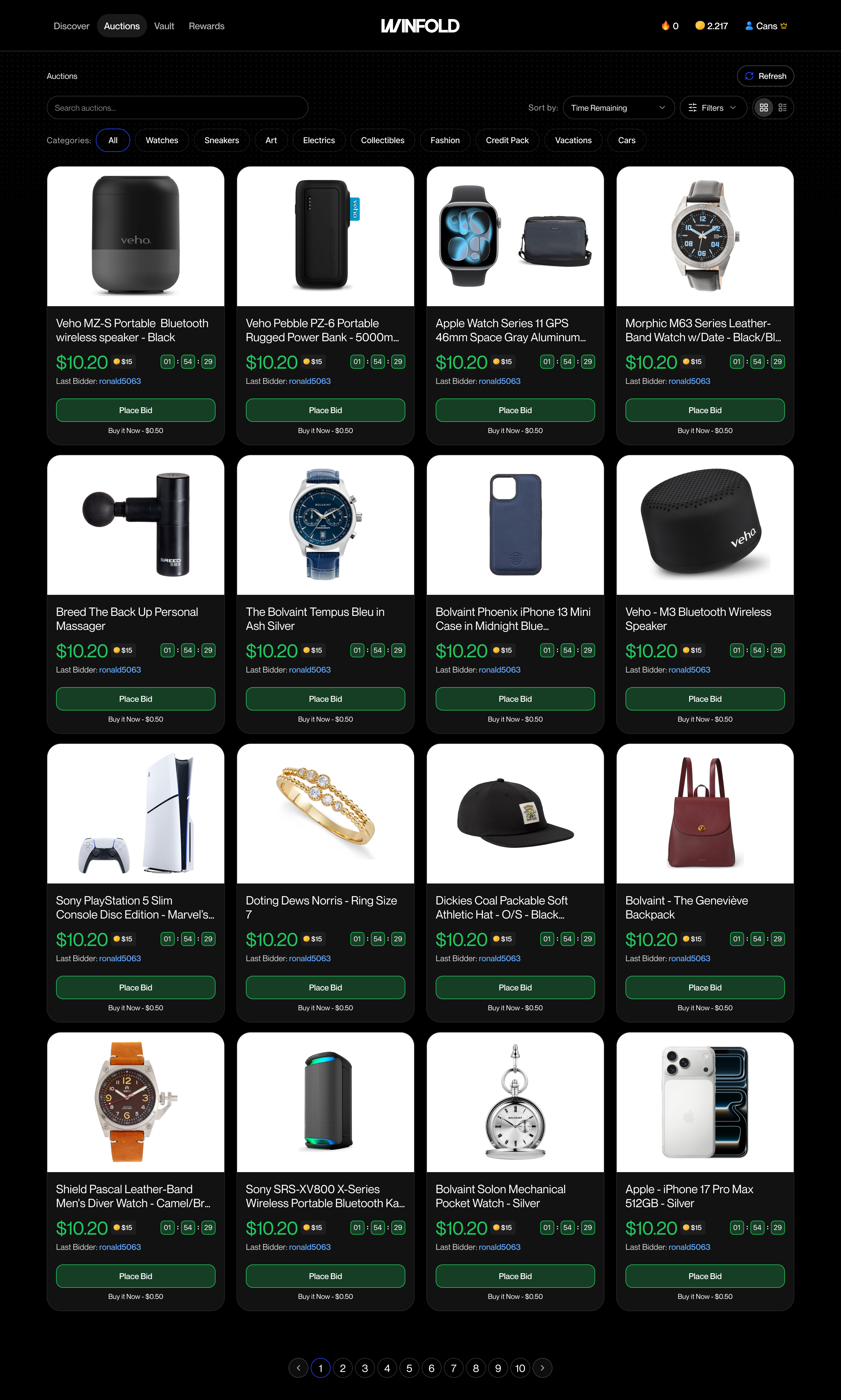
Not 9 services. One catalog, one balance, one feed. The distributed shape is invisible by design.
Building something real-time?
Carousel 7 — An AI newsroom that can't lie (startups.live)
7 slides · 1200 × 1500Post caption: An AI newsroom has one fatal risk: a single hallucinated number ends the business. Here is how we built startups.live to never bluff. Link in comments ↓
Case study
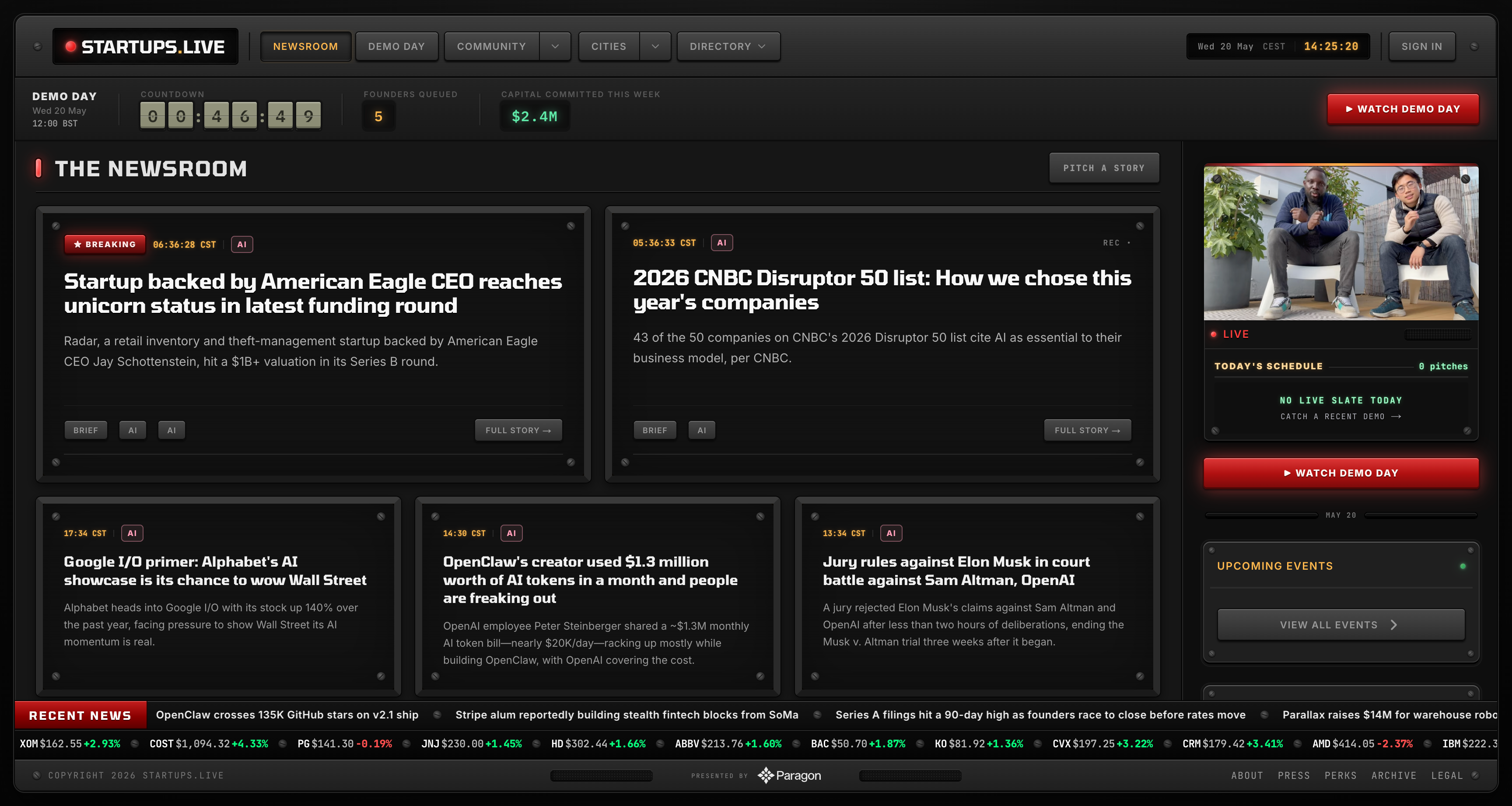
An AI newsroom that can't lie.
The stakes
One hallucinated fundraise number ends the business.
An AI-native newsroom carries an asymmetric brand risk. Being wrong once is fatal.
Why one LLM call fails
A single model call has no reason to check itself.
So we did not build one call. We built a pipeline that audits its own work.
stages, not one call
Scout finds the signal. Editor judges it. Writer drafts it. Fact-Check verifies it. Distribution ships it.
The result
Real-time coverage, every weekday
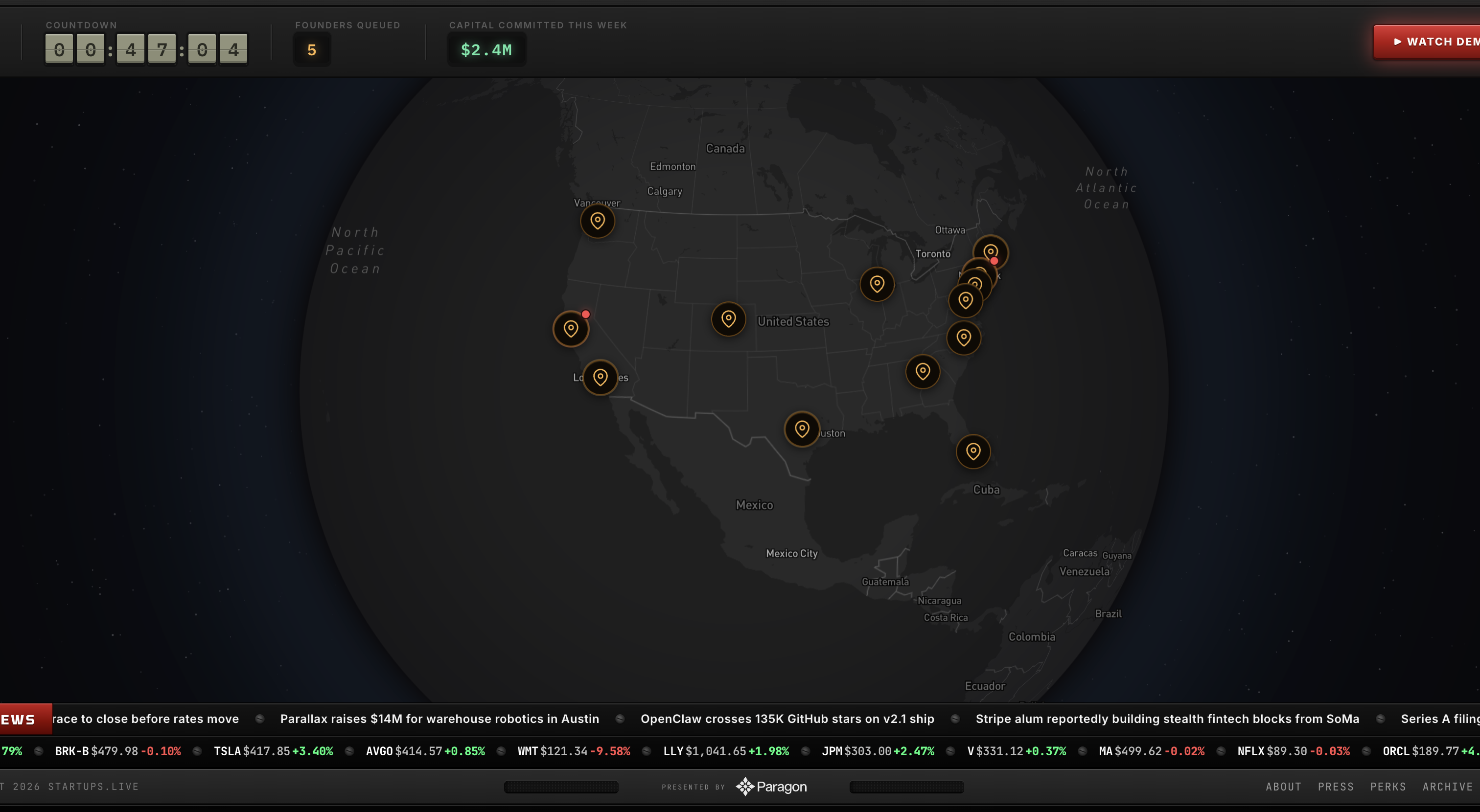
Every fundraise, launch, and hire the moment it happens. Plus a live Demo Day in a WebSocket room.
The safeguard
The fact-check log can't be bypassed.
Append-only by design. Every claim is checked against a primary source before it ships.
Building an AI product where being wrong is fatal?
We build the guardrails in from day one.
Book a 30-min call → cal.com/stacklaneCarousel 8 — Your AI agent, live in one click (RunTheAgent)
7 slides · 1200 × 1500Post caption: Self-hosting an AI agent is a weekend for a developer and a non-starter for everyone else. Here is how we made it one click. Link in comments ↓
Case study
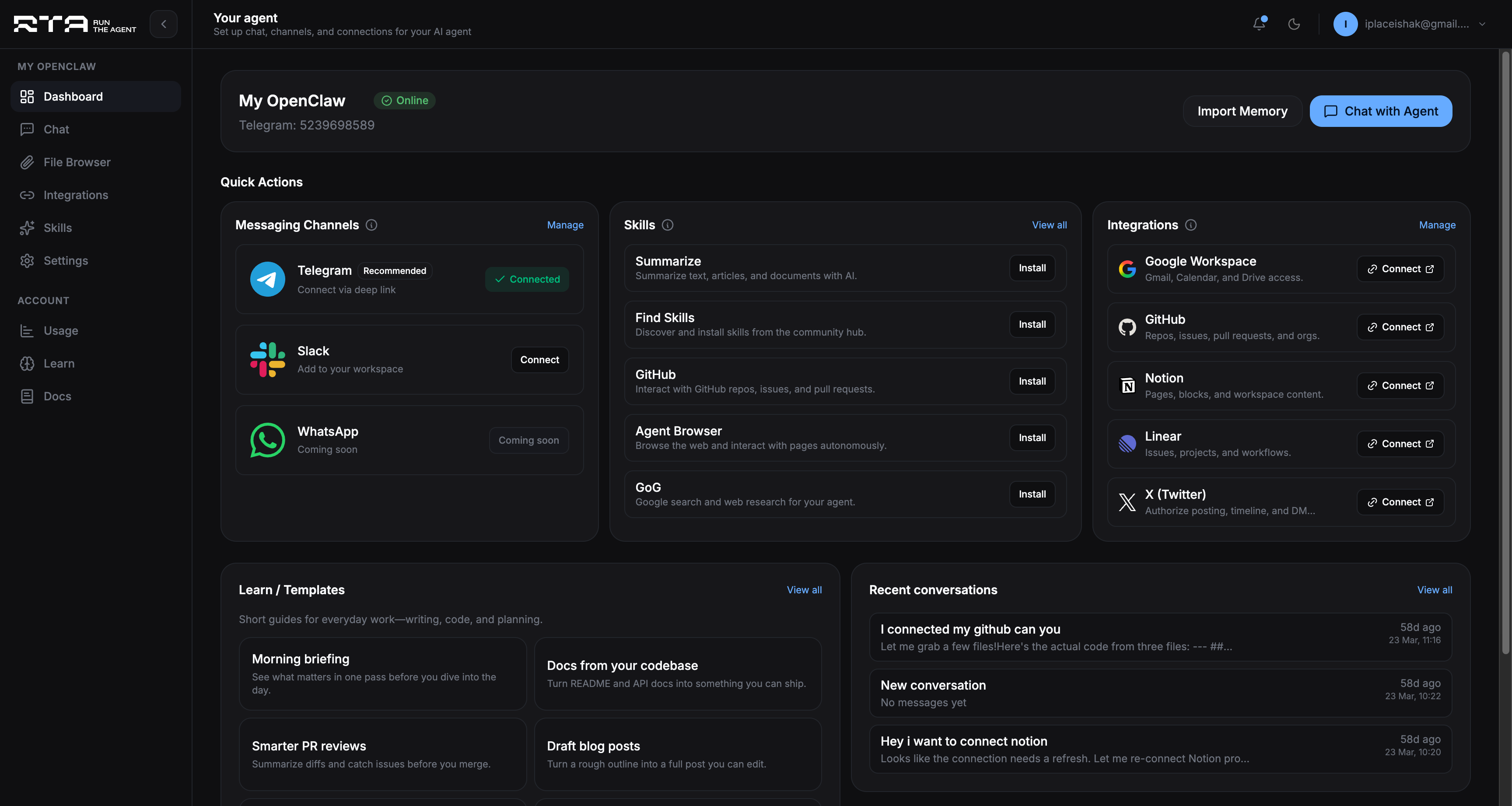
Your AI agent, live in one click.
The problem
Self-hosting an agent is a non-starter for everyone but developers.
Updates break. Channels need OAuth per platform. The agent has to survive restarts.
channels, one dashboard
WhatsApp, Telegram, Discord, Slack. OAuth handled for you, per platform.
Compose, don't code
Pick what your agent can do.
Skills compose in the UI. No infrastructure code, no deploy scripts.
Managed
The infrastructure is ours.
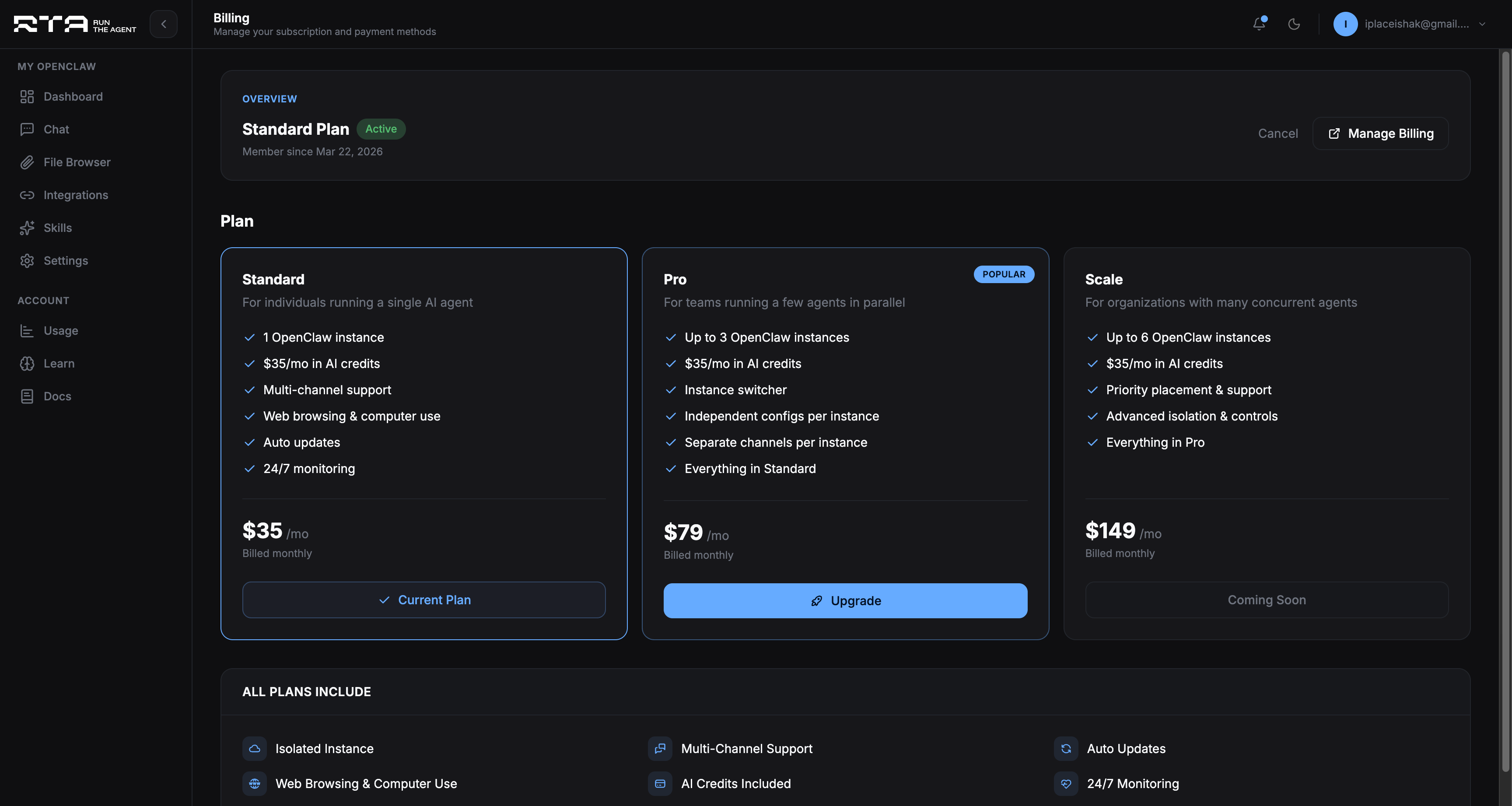
Isolated instances, auto updates, 24/7 monitoring. You never touch a server.
The point
Operators don't want to be infrastructure engineers.
The product is the agent that runs. Everything underneath is hidden by design.
Want a managed AI agent, not a DevOps project?
Carousel 9 — The stack we ship in 48 hours
7 slides · 1200 × 1500Post caption: Founders ask what we build with. Here is the whole stack, and why it lets us put working code in your repo in 48 hours. Link in comments ↓
How we work
The stack we ship in 48 hours.
One language
TypeScript, end to end.
Frontend, backend, and the mobile app share one type system. No translation layer, no drift.
The frontend
Next.js, TanStack Start, React Native.
Web that loads fast and ranks. Native iOS and Android from one codebase with Expo.
The backend
Fastify, Postgres, Redis.
Typed APIs on Fastify and Elysia. Postgres with Drizzle. BullMQ for the work that runs in the background.
The AI layer
Claude, OpenAI, MCP.
Anthropic and OpenAI for the models. MCP servers so agents call your product directly.
to your first working code
Not a prototype, not a Figma file. Code in your repo, running, by the end of day two.
Want this stack on your product?
Carousel 10 — We cut a startup's cloud bill 60% (GKE → Railway)
11 slides · 1200 × 1500Post caption: We cut a client's cloud bill by 60%. Most of the migration was run by Claude. The backend ran on Google Kubernetes Engine. We moved it to @Railway, and the AI did the heavy lifting on both ends. Claude read the GKE manifests, services and env vars to map what was running, then deployed each service to Railway through the Railway MCP: created the project, set the variables, wired it up. Same microservice architecture. We just dropped Eureka (Railway does service discovery natively) and the pile of Kubernetes YAML with it. The whole migration, step by step, below. How we build at Stacklane: the newest AI tooling, with experienced judgment on every line. Running microservices on a stack heavier than your team? Tell me what you're on and I'll tell you what I'd cut.
Infra teardown
We cut a startup's cloud bill by 60%.
The setup
13 microservices. Kubernetes on Google Cloud. Six developers.
Nobody set out to over-engineer it. It grew one 'best practice' at a time, until a team that should have been shipping was babysitting a cluster.
The real cost
The bill wasn't the worst part. The time was.
A quarter of a six-person team's week went to the cluster: pages, YAML, a Friday lost to a networking bug that had nothing to do with the product.
The diagnosis
The architecture wasn't the problem. The platform was.
Thirteen microservices is a fine shape. Running them on a self-managed Kubernetes cluster, with Eureka wired up for service discovery, was the tax.
The move
Off Google Cloud, onto Railway. Same architecture.
We kept all thirteen services. No rewrite, not a feature touched, zero downtime. Their team stayed on the roadmap the whole time.
How we did it
We let AI read the entire cluster first.
We pointed Claude at the GKE config: every manifest, service and env var. It mapped what was running and what each service needed to come back up on Railway.
The deploy
Then it deployed, straight through the Railway MCP.
Railway has an MCP, so Claude didn't just plan the move, it ran it: created the project, set the variables, deployed all thirteen services. A developer steering every step.
What we deleted
Eureka was the first thing to go.
Railway does service discovery natively, so the whole self-managed discovery layer wasn't needed. Same thirteen services talking to each other, minus the plumbing.
off the cloud bill, for good
Months of runway, found in the part of the business nobody was watching. Since the move: zero infrastructure pages.
The lesson
Sometimes the most senior move is to delete infrastructure, not add it.
Same product, same services, far less to run. The self-managed cluster is gone, and their developers build product now, not plumbing.
Is your cloud bill eating your runway?
We map it, move it to @Railway, and cut the bill. Keep your architecture, lose the ops.
Book a 30-min call → cal.com/stacklaneCarousel 11 — AI gave you a prototype. It won't give you a product.
7 slides · 1200 × 1500Post caption: AI makes the first version easy. That's exactly the trap. Here is what we keep finding when we open a vibe-coded repo that's about to meet real users. ↓ Link in comments.
The AI trap
AI gave you a prototype. It won't give you a product.
How it starts
The demo worked. Then real users showed up.
AI shipped something that looked finished in a weekend. Payments, auth, edge cases, scale: that is where the weekend ends and the real work starts.
What we keep finding
Nobody ever deleted the old code.
Three auth strategies. Two payment integrations. A referral programme abandoned in week six. Every new feature pretends the others don't exist.
The real risk
One person 'kind of' understands it. Usually the founder.
They have a mental model of the prompts that produced the code, not of the system. The day they're unavailable, so is the product.
tests when we opened it
Not a decision anyone made. The prompt that wrote the feature was never going to write the test, the migration, or the rollback.
The fix isn't anti-AI
We're AI-native too. We just keep the judgment in the loop.
Same speed. The review, the architecture, and the tests that make it last are not the slow part. They're the point.
Sitting on a prototype that needs to become real?
We take what AI started and make it software you can keep. AI-native, on subscription.
Book a 30-min call → cal.com/stacklaneCarousel 12 — 5 signs your software is quietly costing you money
8 slides · 1200 × 1500Post caption: You don't need to be technical to feel it: the software running your business is making it slower. Five signs it's quietly costing you, from someone who gets hired to fix them. ↓ Link in comments.
For operators
5 signs your software is quietly costing you money.
Sign 1
Your team copies data between systems by hand.
Two tools that don't talk, bridged by a person and a spreadsheet. That person is your integration layer, and they are expensive.
Sign 2
The number that runs the business lives in someone's head.
When one person leaving would take real knowledge of how the company works with them, the software isn't carrying its weight.
Sign 3
You stopped asking for changes because they take months.
So people build quiet workarounds instead, and the workarounds become the process. The software now describes how you used to work.
Sign 4
Every new hire needs a week to learn the tools.
If onboarding to your own systems is a rite of passage, the tools are working against your team, not for it.
Sign 5
You pay for software you've outgrown and software you don't use.
Off-the-shelf tools that almost fit, stacked on top of each other, each with a subscription and a gap nobody owns.
and it compounds
Each sign is survivable alone. Together they're a tax on every hour your team works. Most operators have at least three.
Recognise three or more?
We modernise the software that runs your business: internal tools and integrations that finally fit. On subscription, pause anytime.
Book a 30-min call → cal.com/stacklaneCarousel 13 — Why your project is always 'almost done'
7 slides · 1200 × 1500Post caption: 'It's 90% there.' You've heard that for a month. Here is why software projects stall at almost-done, and the one thing that actually moves them. ↓ Link in comments.
The 90% trap
Why your project is always 'almost done'.
The pattern
The first 90% took a month. The last 10% takes three.
The demo looked done. Then came the edge cases, the error states, the real data, all the parts that don't screenshot well.
Why it happens
'Done' was never defined, so it keeps moving.
Without a working build in front of you every week, 'almost done' is a status update, not a fact you can check.
The part nobody mentions
Hourly billing rewards the slow path.
When the work is billed by the hour, 'almost done' is profitable. The model quietly pays for the outcome you don't want.
is the whole fix
A working build every week turns 'almost done' into something you can see, click, and correct before it drifts another month.
What changes it
Flat rate. You own the code. Pause anytime.
Nobody is paid to stretch it. The incentive is to keep your software healthy, which is the same incentive you have.
Tired of 'almost done'?
We ship working software every week on a flat monthly rate. Progress you can click, not a status update.
Book a 30-min call → cal.com/stacklaneCarousel 14 — How to spot AI-generated UI (and how we fix it)
11 slides · 1200 × 1500Post caption: AI-generated interfaces look fine in a screenshot and cheap in your hand. Five tells anyone can spot in seconds, and how we build software that passes the test. ↓ Link in comments.
Design tells
How to spot AI-generated UI in 5 seconds.
Why it matters
Your customers feel it, even when they can't name it.
AI-generated interfaces look fine in a screenshot and cheap in your hand. Here is what gives them away.
Tell 1
Every card is the same card.
Icon, heading, three lines of text, repeated in a perfect 3-column grid. Real products earn different shapes for different jobs.
Tell 2
One purple gradient, everywhere.
Gradient text, gradient buttons, gradient blobs. When the accent is on everything, it means nothing.
Tell 3
Glass cards floating on glass cards.
Blur used as decoration, not for depth. It reads as a template because it is one.
Tell 4
Pure black, pure white, flat grey.
No tint, no warmth, no light in the room. Real interfaces tint their neutrals toward the brand so the screen feels lit, not printed.
Tell 5
The same padding on everything.
Even spacing everywhere reads as a machine filling a grid. Rhythm, the deliberate tight-then-loose, is a human decision.
Tell 6
A clean sans, then a random italic serif.
AI grabs a 'fancy' second font, an italic serif or a script, to add personality. It just adds noise. One type system, used well, says more than three.
Tell 7
Taglines in ALL CAPS, joined by dashes.
INNOVATE. CREATE. SCALE. Three vague verbs in capital letters, tracked out wide and strung together with dashes. It reads like a slogan and means nothing.
How we fix it at Stacklane
We're AI-native. The taste is still human.
Committed colour, real type hierarchy, spacing with rhythm, motion with restraint. Every screen runs one test before it ships: could this be AI slop? If yes, it gets reworked.
Tired of software that looks AI-made?
We design and build interfaces with judgment in the loop. AI-native speed, real craft, on subscription.
Book a 30-min call → cal.com/stacklaneCarousel 15 — 5 reasons nobody wants your SaaS app
10 slides · 1200 × 1500Post caption: AI didn't create a generation of founders. It created a generation of people building things nobody asked for. Building used to be slow and expensive. That difficulty was a filter. It quietly killed the ideas that shouldn't exist before they wasted a year of your life. AI removed the filter. So now the thing ships before anyone asks whether it should. And a wave of products nobody needs comes through the gap. Five reasons the SaaS you're about to build is already useless, and the one thing that still isn't. We're founders ourselves, not a build shop that ships and calls it a day. We've made these mistakes too, so we'll be honest with you and help validate the idea before we build it.
AI-era reality
5 reasons nobody wants your SaaS app.
The setup
AI didn't create founders. It created people building things nobody asked for.
Building used to be slow and expensive. That difficulty was a filter. AI removed it, and a wave of products nobody needs came through the gap.
Reason 01
You built it because you could.
Not because anyone needed it. When building was hard, conviction came first. Now the thing ships before anyone asks whether it should exist.
Reason 02
It's a feature, not a company.
If Claude already does it, or will in the next update, you don't have a product. You have a feature waiting to be absorbed, for free.
Reason 03
You never let a real buyer say no.
You built in a vacuum and called it stealth. Nobody who would actually pay has seen it, because hearing no is scarier than shipping.
Reason 04
The problem isn't painful enough.
It's a vitamin, not a painkiller. People say nice and never come back. Nobody moves their budget for a thing that's merely nice to have.
Reason 05
Anyone can rebuild it in a weekend.
If it took you an afternoon with AI, it takes your competitor one too. No moat, no reason the win lands with you instead of them.
The hard truth
AI made the build trivial. The hard part didn't move.
Knowing your customer. Owning a real problem. Earning the right to exist. None of it got easier. Most people just quietly stopped doing it.
What survives
Start from a problem so real you'd build it even when building was hard.
That's the only moat left. Not the code. The conviction, the customer, and the specific pain someone pays to make go away.
We build with founders who have a real problem.
And we're founders ourselves, not a build shop that ships and calls it a day. We've shipped our own things and been through the trials, so we'll be honest with you and help validate the idea before we build it.
Book a 30-min call → cal.com/stacklaneCarousel — Document copilot that can't hallucinate (grounding)
10 slides · 1200 × 1500Post caption: A client's team was drowning in documents: contracts, policies, reports. Every answer was in there somewhere, none of it easy to find. So we built them a document copilot: upload the files, ask in plain language, get answers with a citation for every claim. What makes it work is RAG (retrieval-augmented generation): the AI retrieves the right passages from their own documents first, then answers only from those. So it can't make things up. Here is how we built it. Full teardown in the carousel. Link in comments ↓
Case study
We built a client a document copilot they could actually trust.
The problem
Their team was drowning in documents.
Contracts, policies, reports. Every answer was in there somewhere, and finding it took hours of digging.
What we built
A document copilot. Upload the files, ask in plain language.
Answers come back in seconds, each with a citation you can click straight to the source.
How it works: RAG
The AI doesn't guess. It retrieves first, then answers.
Retrieval-augmented generation: before the model responds, we pull the most relevant passages from the client's own documents, and the answer can only use those.
The one question that matters
"But how do I know it isn't making things up?"
This is where most AI copilots fall apart. Ours can't.
Fail closed
Every citation is checked twice, before a word appears.
Citations are easy to fake, so we don't trust the model to police itself. We verify each one against the retrieved source, structurally and with an LLM judge. If it doesn't hold up, the answer never ships.
The pipeline
From their documents to an answer they can trust.
Browser uploads straight to R2 (presigned). Never touches the API.
An event triggers a worker: parse, chunk, embed, store in pgvector.
Hybrid: vector (HNSW) + full-text, fused with Reciprocal Rank Fusion.
Fail-closed validator: registry allowlist + LLM judge check every citation.
SSE, token by token. Only what passed validation reaches the user.
made-up answers reach the user. Every response is grounded in the client's own documents, or it never ships.
The result
Answers in seconds, from a copilot the team actually trusts.
Want a document copilot for your team?
We build grounded AI. You own the code. Data stays in the EU.
Book a 30-min call → cal.com/stacklaneCarousel — Why 'just use RAG' isn't enough (hybrid retrieval)
8 slides · 1200 × 1500Post caption: "Just use RAG" is the "just use blockchain" of 2026. Vector search alone quietly fails on the queries that matter most. Here is the retrieval stack we actually ship. Link in comments ↓
AI build teardown
"Just use RAG" is the "just use blockchain" of 2026.
The quiet failure
Vector search alone misses the queries that matter most.
Exact terms, product codes, names, numbers. Embeddings are great at meaning and bad at precision.
Two kinds of search
So retrieval is hybrid, not vector-only.
Vector search (HNSW cosine) for meaning. Full-text search for exact matches. Both run on every query.
Fusion
Reciprocal Rank Fusion merges the two rankings into one.
Then reranking on top when precision has to be high.
On real questions
"Penalty clause in section 4.2" needs exact match. "How do we handle late deliveries" needs meaning.
A real product needs both, in the same query.
The pipeline
Retrieval is one stage. It has to be right.
Browser uploads straight to R2 (presigned). Never touches the API.
An event triggers a worker: parse, chunk, embed, store in pgvector.
Hybrid: vector (HNSW) + full-text, fused with Reciprocal Rank Fusion.
Fail-closed validator: registry allowlist + LLM judge check every citation.
SSE, token by token. Only what passed validation reaches the user.
retrieval methods, fused into one result. That is the line between a demo and a product.
Building on top of RAG?
We ship hybrid retrieval that holds up on real questions. Let's talk.
Book a 30-min call → cal.com/stacklaneCarousel — How you know your AI works (evals)
9 slides · 1200 × 1500Post caption: How do you know your AI actually works? Most teams answer: vibes. Here is how we replace the vibes with evidence. Link in comments ↓
AI build teardown
How do you know your AI actually works?
The honest answer
Most teams answer: vibes.
Demo vs product
A demo works on the three questions you already knew the answers to.
A product works after every change you make to it.
Treat it like engineering
So every AI feature ships with an eval and regression harness.
A fixture set of real questions and expected behavior runs on every change.
What it catches
The moment a prompt tweak, a model swap, or a retrieval change makes answers quietly worse.
Plus LLM cost logging, so you see accuracy and spend, not a gut feeling.
What evals cover
The harness runs against the whole pipeline.
Browser uploads straight to R2 (presigned). Never touches the API.
An event triggers a worker: parse, chunk, embed, store in pgvector.
Hybrid: vector (HNSW) + full-text, fused with Reciprocal Rank Fusion.
Fail-closed validator: registry allowlist + LLM judge check every citation.
SSE, token by token. Only what passed validation reaches the user.
silent regressions shipped. If a change makes answers worse, the harness catches it before users do.
The line
"It felt better" is not a metric. "Retrieval held, cost dropped 20%" is.
Shipping AI you can't measure?
We build the evals so you can ship it with a straight face. Let's talk.
Book a 30-min call → cal.com/stacklaneCarousel — The unsexy 80% of an AI product (production plumbing)
9 slides · 1200 × 1500Post caption: The AI is 20% of an AI product. Nobody posts about the other 80%. Here is the plumbing that decides whether it survives real users. Link in comments ↓
AI build teardown
The AI is 20% of an AI product.
The other 80%
Nobody posts about the part that decides whether it survives real users.
Day one, every project
An event-driven engine with retries and dead-lettering.
A failed embedding doesn't lose a document. It retries, then lands in a dead-letter queue you can see.
So nothing double-fires
Idempotency, signed webhooks, scheduled jobs, crash recovery.
A retried webhook doesn't double-fire. A job that crashes mid-run resumes where it left off.
So it stays sane
Rate limiting, correlation IDs, LLM cost logging.
Trace any request, cap abuse, and see what every answer cost.
And it's yours
The client owns the code. The data stays in the EU.
The engine
Every stage runs on the same event engine.
Browser uploads straight to R2 (presigned). Never touches the API.
An event triggers a worker: parse, chunk, embed, store in pgvector.
Hybrid: vector (HNSW) + full-text, fused with Reciprocal Rank Fusion.
Fail-closed validator: registry allowlist + LLM judge check every citation.
SSE, token by token. Only what passed validation reaches the user.
of the work is the part that never demos. All of it is why the thing still works at 2am on a Tuesday.
A prototype is a notebook that calls an LLM. This is a product.
Let's talk.
Book a 30-min call → cal.com/stacklaneCarousel — Streaming isn't a nice-to-have (SSE)
9 slides · 1200 × 1500Post caption: Streaming is the difference between "is it broken?" and "wow, that's fast." Here is why we stream every AI answer, and how we do it without losing trust. Link in comments ↓
AI build teardown
Without streaming, every AI answer feels broken.
The wait
Ten seconds of a spinner reads as "it crashed."
The model is working fine. The user has already left.
With streaming
The same ten seconds reads as "wow, that's fast."
Words appear as they are generated. The wait becomes the experience.
How
Answers stream token by token over SSE.
Server-sent events on the AI-SDK wire format. The frontend renders each token as it arrives.
The hard part
We stream only what is already grounded.
Citations are validated before the first token ships, so speed never costs you trust.
The pipeline
The last stage is where the UX lives.
Browser uploads straight to R2 (presigned). Never touches the API.
An event triggers a worker: parse, chunk, embed, store in pgvector.
Hybrid: vector (HNSW) + full-text, fused with Reciprocal Rank Fusion.
Fail-closed validator: registry allowlist + LLM judge check every citation.
SSE, token by token. Only what passed validation reaches the user.
is where the wait ends. Not the last. The user sees progress immediately.
The takeaway
Streaming isn't a feature. It's the line between a demo and a product.
Building an AI product that has to feel instant?
Let's talk.
Book a 30-min call → cal.com/stacklane