API integrations, clean clients in, idempotent handlers out, events that survive the partner's retries.
Most products end up integrating with eight to fifteen external APIs. The first one is fun; the fifteenth is technical debt. We build the integration layer so that every new partner follows the same pattern, clean client in, idempotent webhook handler out, backfill jobs for catch-up, replay tooling for when something slips.
What we build
Clients generated from the partner's spec
Where the partner ships an OpenAPI spec, we generate the client and check it into the repo. Where they don't, we hand-write a thin adapter. Either way, the calling code sees typed shapes against the partner's contract, not raw HTTP.
Webhook ingestion as a single shared service
Stripe webhooks, Plaid webhooks, Shopify webhooks, Twilio webhooks, all land in one webhook service that verifies signatures, dedupes on event ID, persists the raw payload, and dispatches to typed handlers. Signature verification isn't optional.
Idempotency on every state-changing handler
Every handler is safe to run twice. Replays during incident response don't corrupt state; retry storms from a partner don't either. The pattern is enforced by the framework, not by hope per handler.
Backfill jobs for the partner's history
When you onboard a customer with three years of Stripe history, you need to import it. We build paginated backfill jobs with checkpoints, rate-limit awareness, and resume-from-failure. The job runs once; the customer never knows it ran.
Replay tooling for the slips
Webhooks get dropped. Networks blip. Partners have outages. We build replay endpoints that can re-fetch the partner's event history and re-dispatch through the same handlers. Reconciliation is a one-command operation, not a multi-day investigation.
Observability per partner
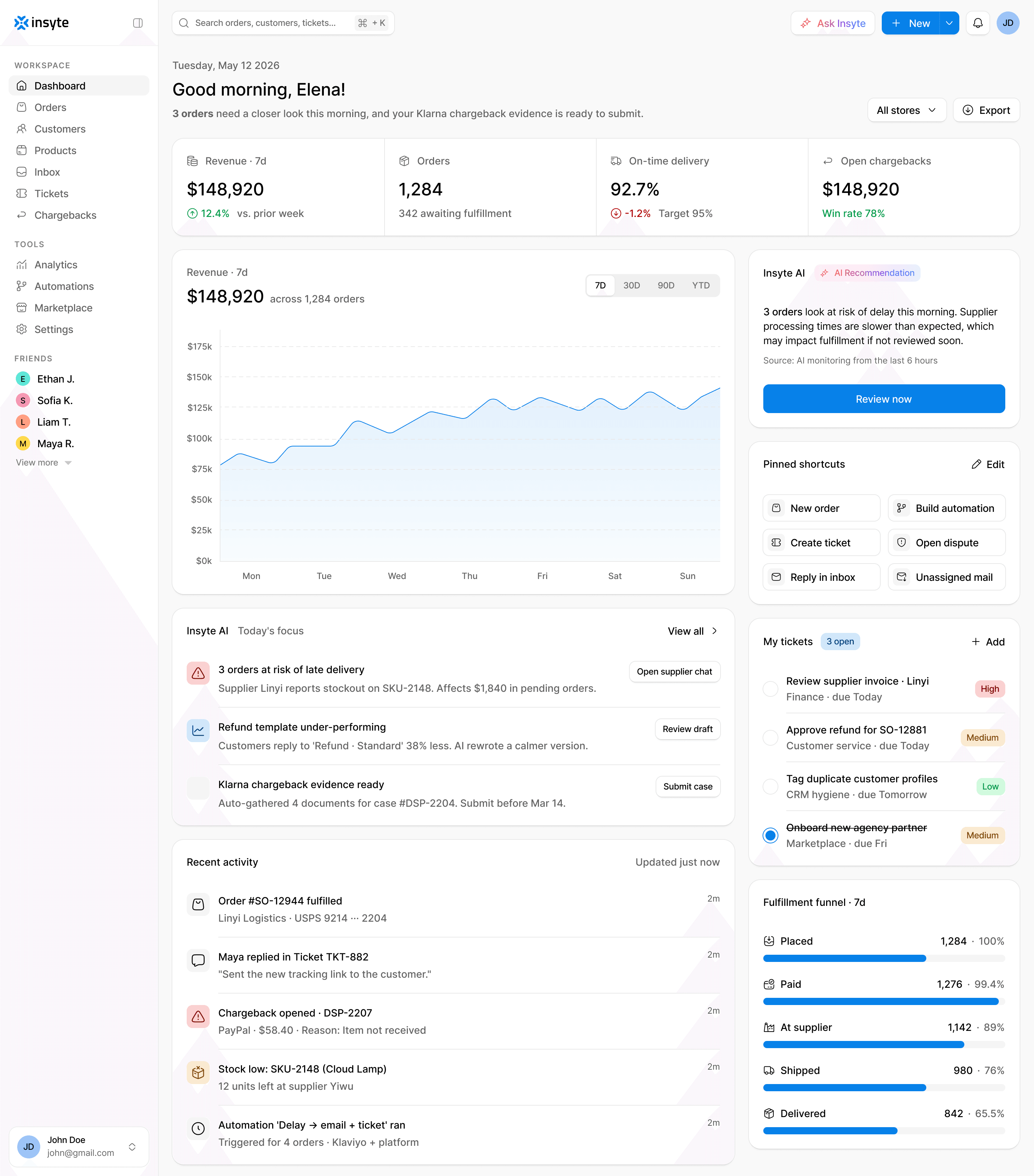
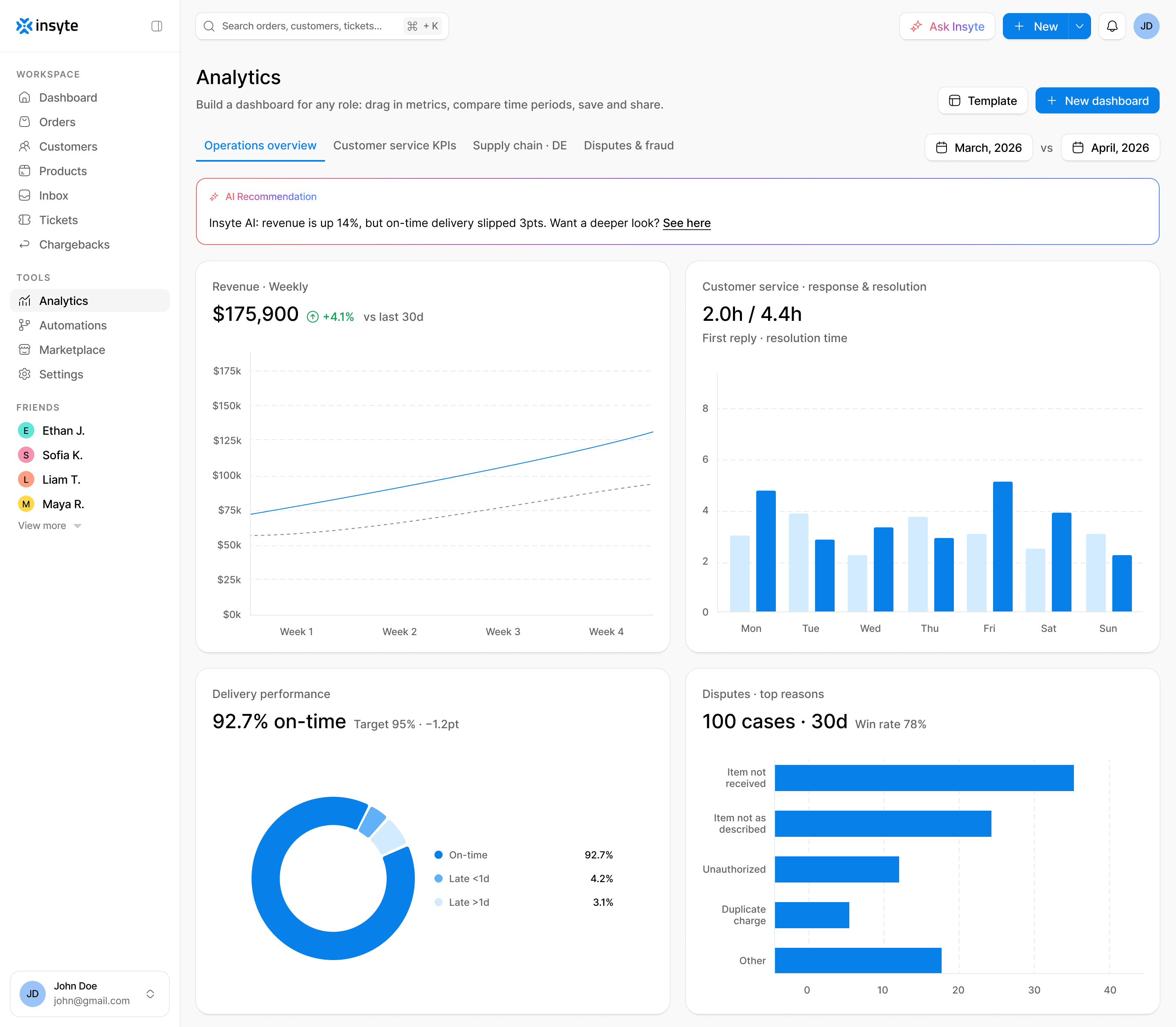
Per-partner dashboards showing webhook ingest rate, handler latency, failure rate, replay activity. When a partner integration gets weird, we see it before customers do.
Where this fits
You're integrating with a fourth or fifth external API and the existing code is three copy-pasted webhook handlers in a row.
Your reconciliation jobs are spreadsheets and ad-hoc SQL, and the next compliance review wants a different answer.
You've hit a partner outage that lost data and there's no replay path; the cost was customer trust.
Tech stack
- TypeScript
- OpenAPI Clients
- Webhooks
- BullMQ
- Idempotency Keys
Want this for your team?
30 minutes to scope what you need. No pitch deck, no obligation. We tell you straight whether Stacklane fits.