Ship the agent, the eval, and the integration layer your AI product needs to be real.
AI agents, RAG pipelines, vector stores, LLM routing, evals, streaming interfaces, multi-modal inputs. The engineering layer that turns a prompt prototype into a product. Built end to end, and you own the code.
The patterns we ship for AI products
AI products fail in predictable ways: no eval, no fallback, no observability, no abstraction over the model. Here are the patterns that survive contact with users.
Agent platforms
Multi-step agents with planning, tool use, memory, and recovery. OpenClaw, custom orchestrators, or framework-on-rails.
RAG pipelines
Chunking, embedding, retrieval, reranking, citation. Hybrid search where it earns its place, evals on every stage.
Vector databases
Pinecone, Qdrant, pgvector, Turbopuffer. Picked per workload, indexed for the queries that matter, observability on hit rates.
LLM routing + caching
Anthropic, OpenAI, fallback chains, prompt caching, semantic cache, cost + latency observability per route.
Evals + observability
Append-only eval log, regression on every prompt change, latency + cost + accuracy tracked per model. The audit trail an AI product earns trust with.
Streaming + multi-modal
SSE or WebSocket streams, partial JSON parsing, multi-modal inputs (image, audio, file). The UI patterns that make AI feel real-time.
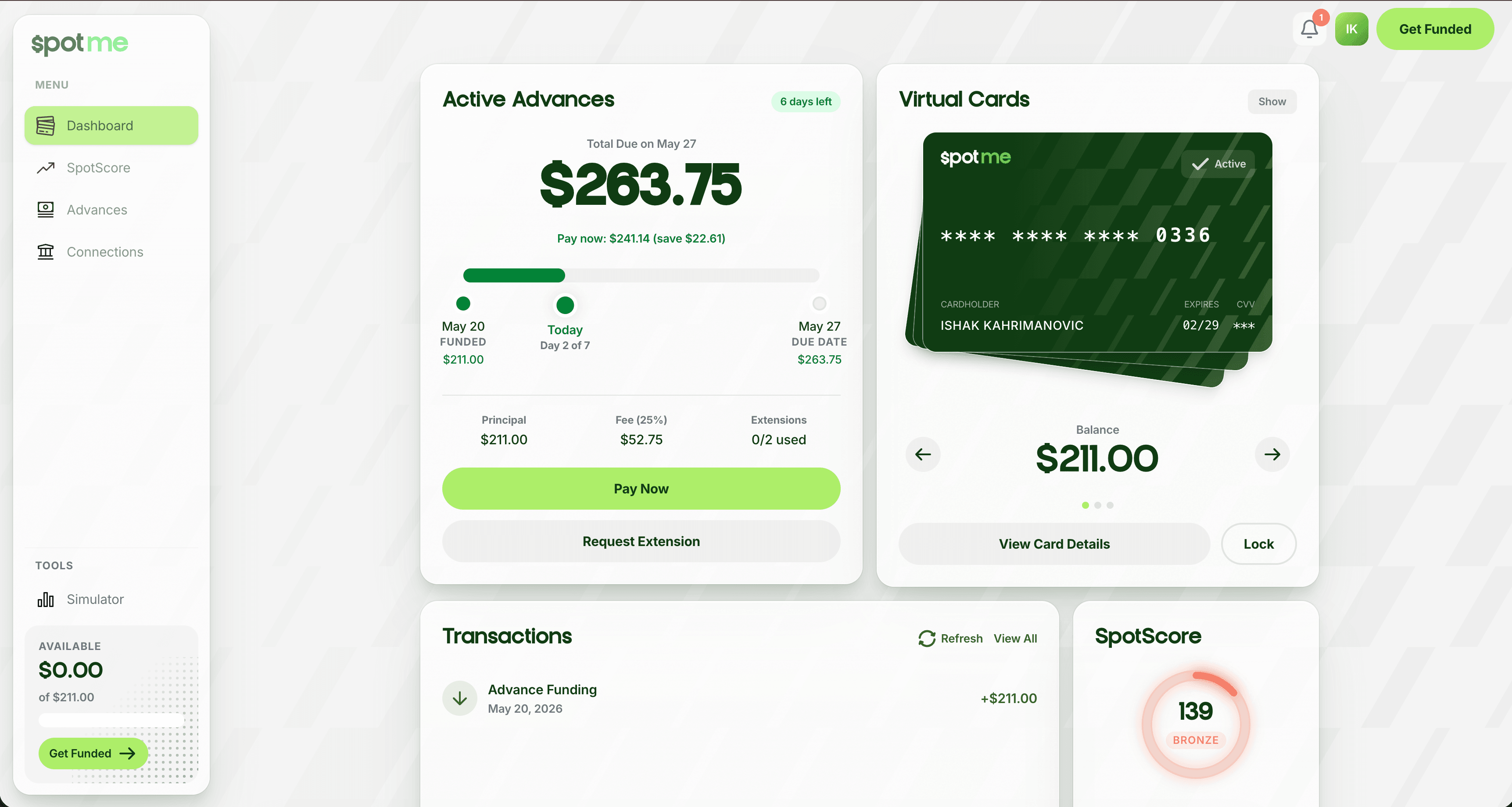
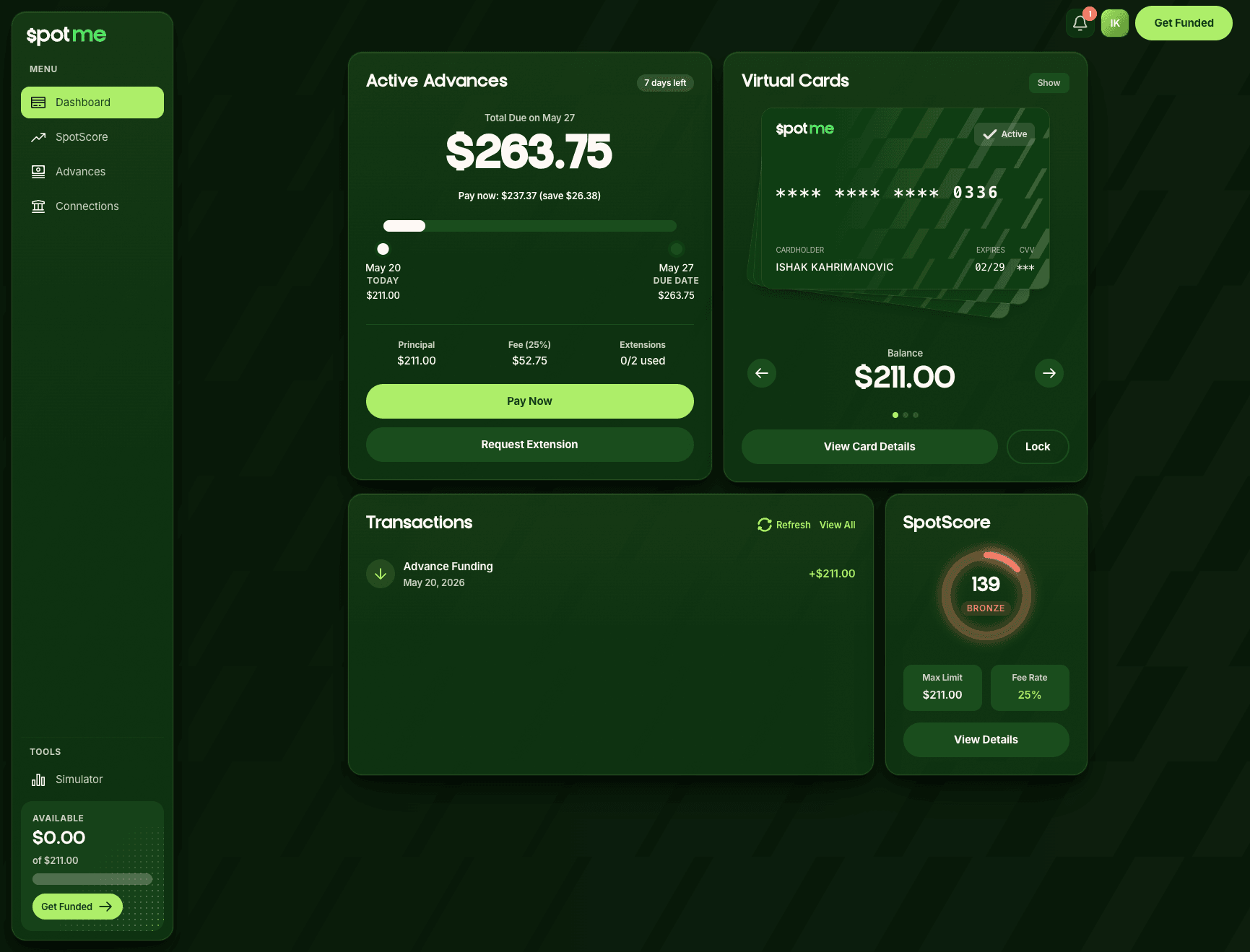
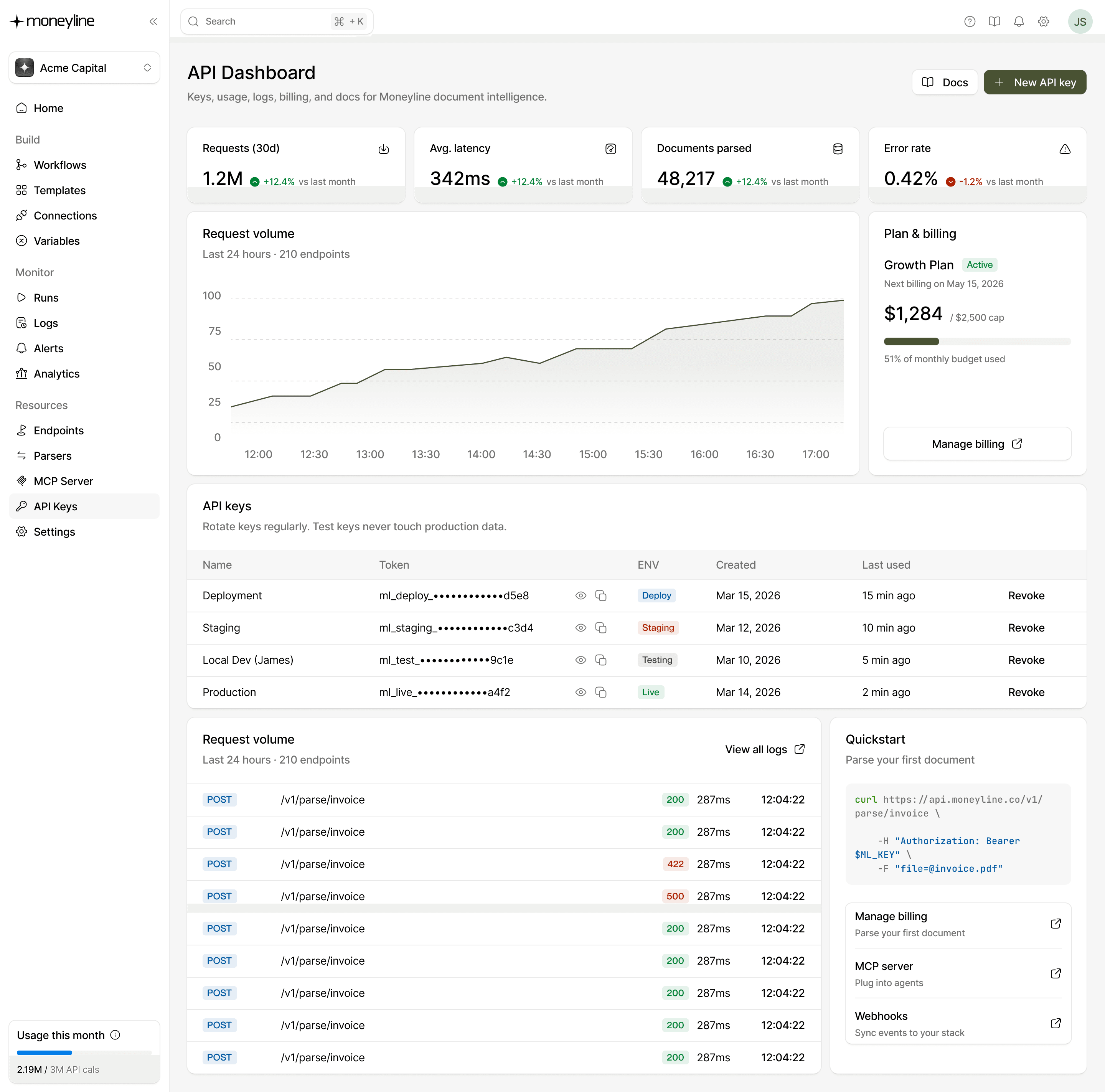
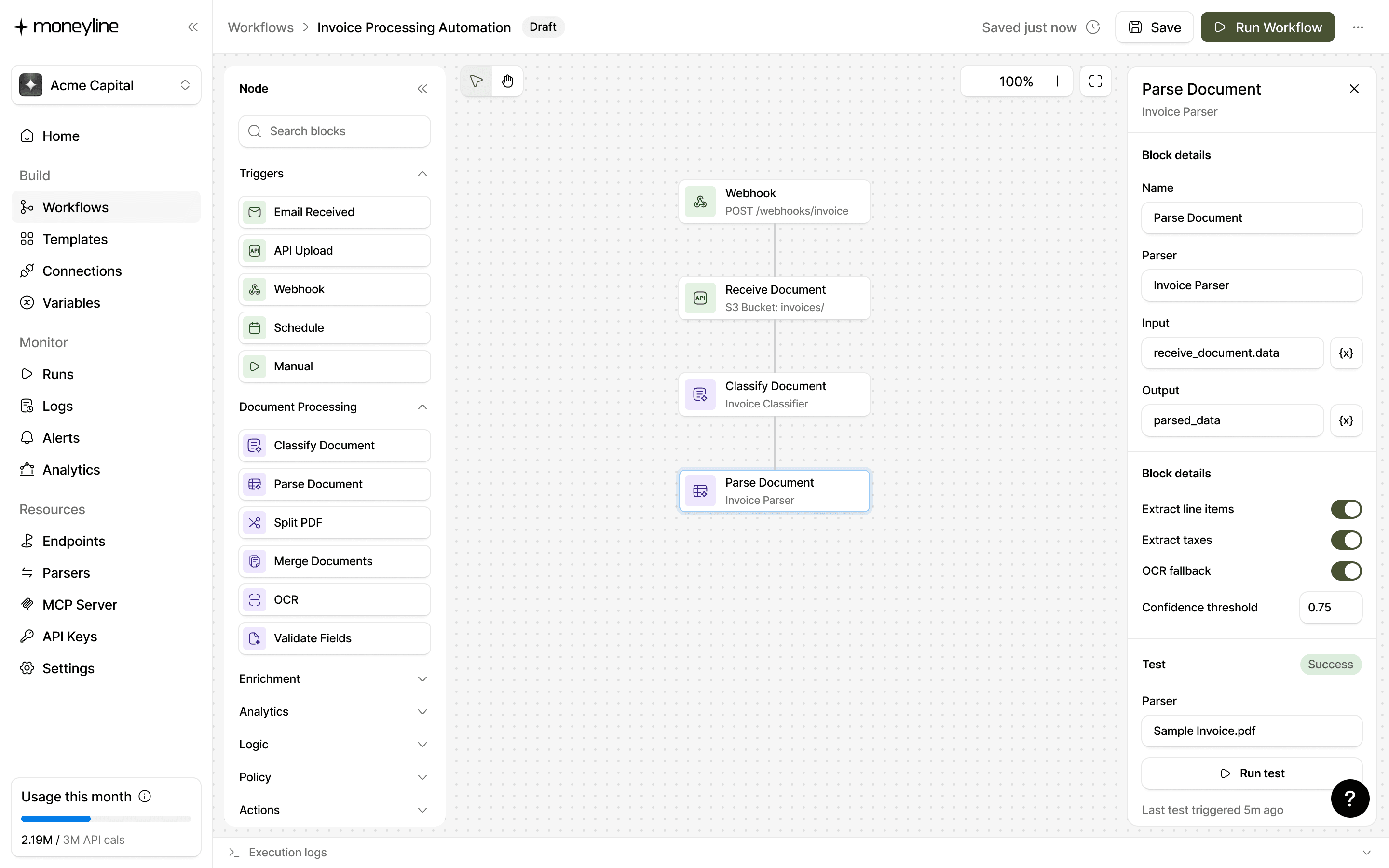
Recent work, built and shipped.
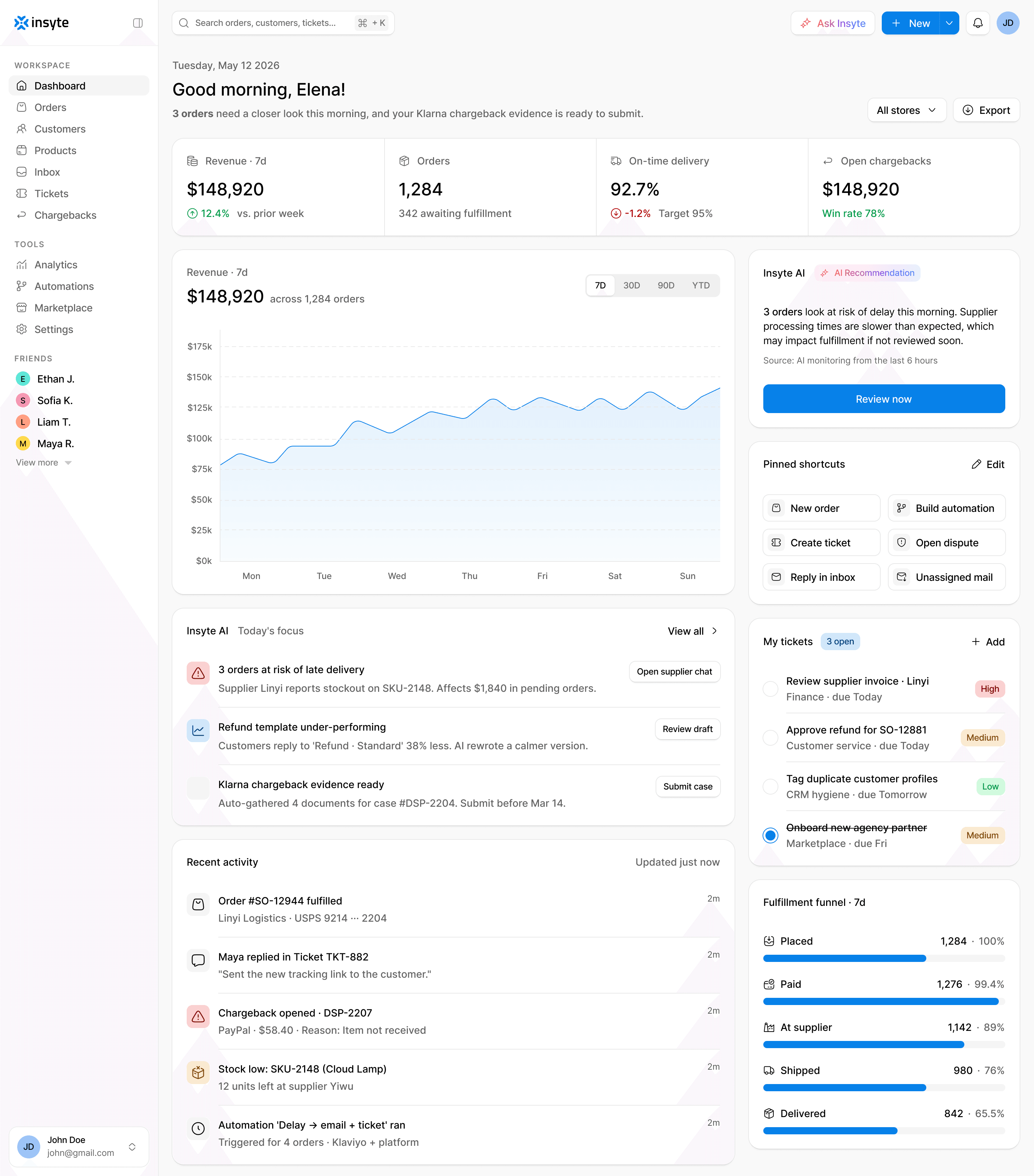
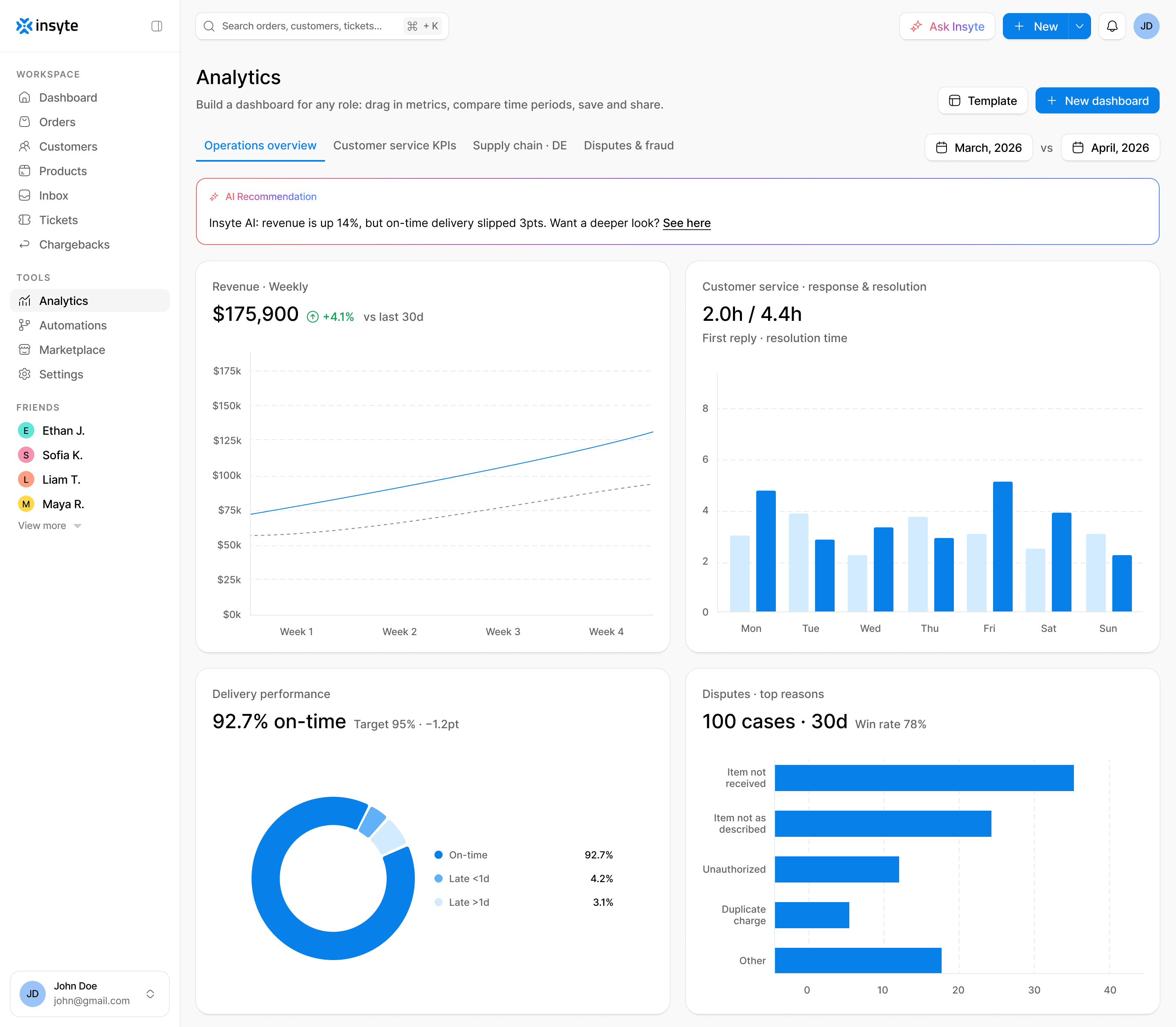
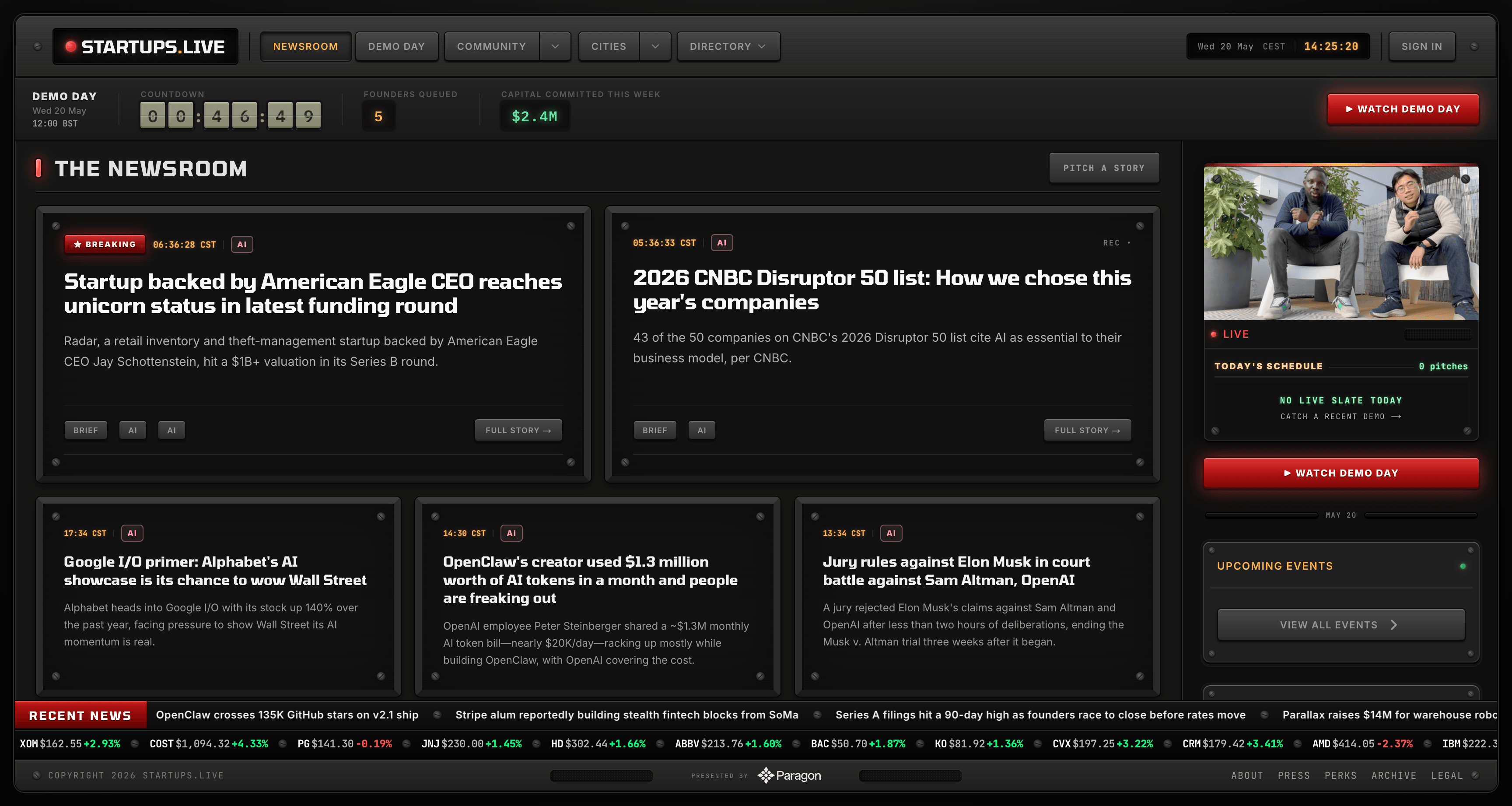
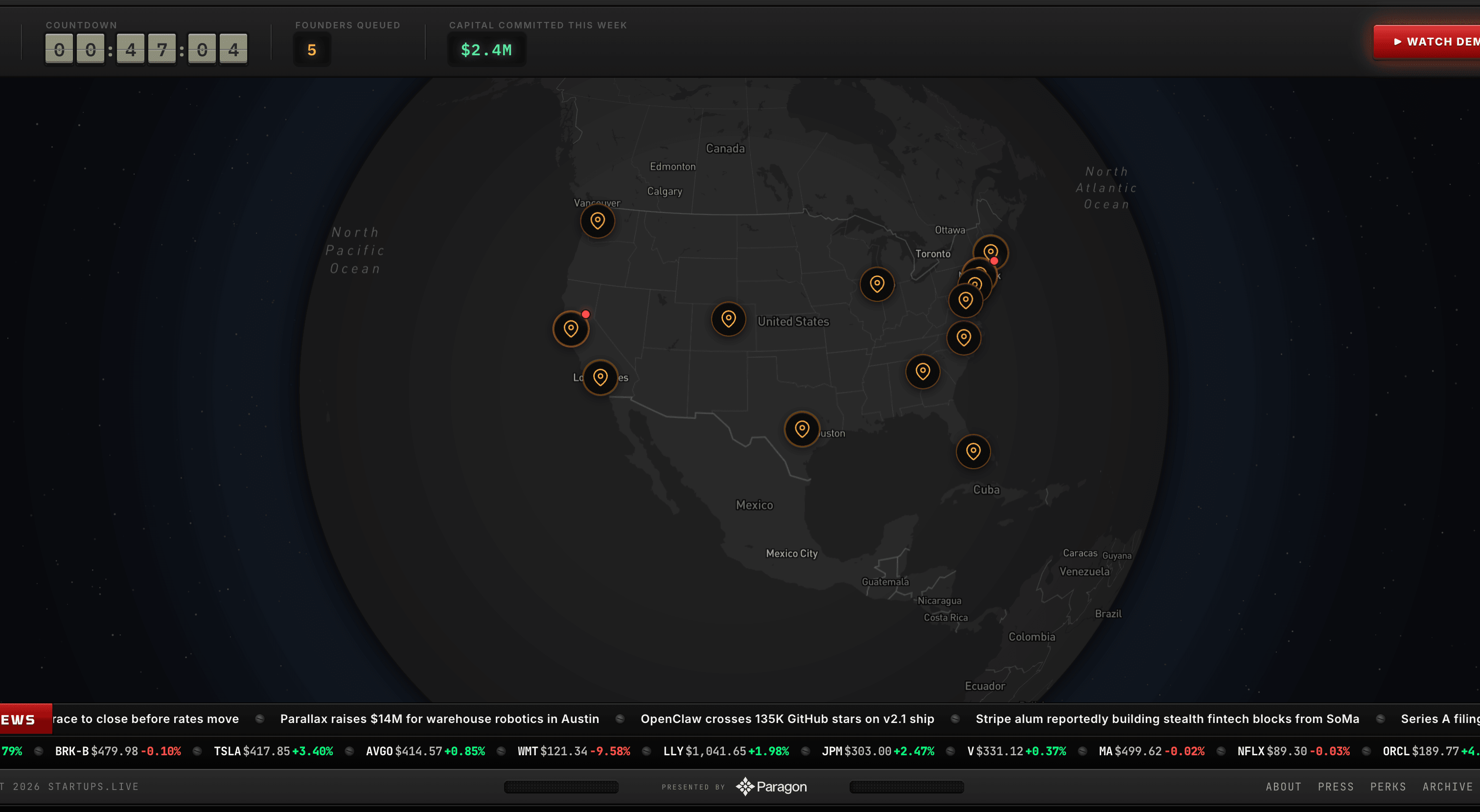
Four featured projects Stacklane delivered end to end. Engineering, design, and brand on one cadence, with no internal hires required.
Frequently Asked Questions
Can you take our AI prototype to something production-ready?
Yes. We turn agents and RAG demos into real products: proper eval harnesses, observability, error handling, and the integration layer so it works against your actual data and systems.
How do you handle RAG, vector databases, and retrieval quality?
We build RAG pipelines with vector databases and reranking, and we measure retrieval quality with evals instead of guessing. That is usually the difference between a demo that looks good and a product people trust.
Can you control LLM cost and keep the product reliable?
We build LLM routing and caching to cut cost and latency, plus fallbacks so one provider outage does not break the product. Streaming and multi-modal support come in where your use case needs them.
How do we know the AI actually works before we ship?
We build evals and observability so you can see accuracy, regressions, and real usage, not just vibes. You own the agent, the eval suite, and the integration code, so you can keep improving it without us.


Stacklane is one of the best software teams we've worked with. We've thrown every kind of project at them and they deliver every time.

Let's ship the agent and the eval harness.
Stacklane builds AI agent platforms, RAG pipelines, eval and observability tooling, and the integration layer real AI products need.
Patterns we ship
Explore each pattern in depth.
Related reading
All postsAI Engineering5 min
RAG, fine-tuning, or prompting: which one do you actually need?
Teams reach for fine-tuning because it sounds serious. Most of the time the answer is a better prompt or retrieval, and fine-tuning is the expensive last resort, not the starting point.
AI Engineering6 min
RAG that actually answers: why the demo works and the rollout doesn't
Retrieval-augmented generation gives a model an open-book exam over your own documents. The demo dazzles; the rollout is where the retrieval, the chunking, and the messy PDFs decide whether it holds up.
AI Engineering5 min
How to know your AI actually works: evals, guardrails, and honest failure
‘It seems fine’ is not a release gate. The teams that ship reliable AI can measure it, catch it when it drifts, and make it fail honestly instead of confidently.